

How to Improve Indoor Air Quality During Chicago’s Allergy Season:
Chicago’s allergy season can make everyday life uncomfortable, especially when pollen, dust, and other airborne particles find their way indoors. Even with windows closed, allergens can accumulate inside your home, affecting the air you breathe throughout the day.
Fortunately, improving indoor air quality doesn’t always require major renovations or expensive equipment. Simple changes to your cleaning habits, ventilation, and HVAC maintenance can make a meaningful difference.
At Service Pro Titans, we help Chicago homeowners maintain reliable heating and cooling systems. Understanding how your HVAC equipment affects indoor air quality is an important first step toward creating a more comfortable home during allergy season.
Why Indoor Air Quality Matters During Chicago’s Allergy Season
Chicago experiences different allergy triggers throughout the year. Tree pollen is common during spring, grass pollen becomes more noticeable in late spring and summer, and ragweed can cause problems during late summer and fall.
These outdoor allergens can enter homes through open windows, doors, ventilation systems, and even clothing. Once inside, they mix with household dust, pet dander, and other particles.
According to the U.S. Environmental Protection Agency (EPA), Americans spend approximately 90% of their time indoors, where concentrations of certain pollutants can be several times higher than outdoor levels.
This makes indoor air quality particularly important for households dealing with seasonal allergies.
1. Replace Your HVAC Air Filters Regularly
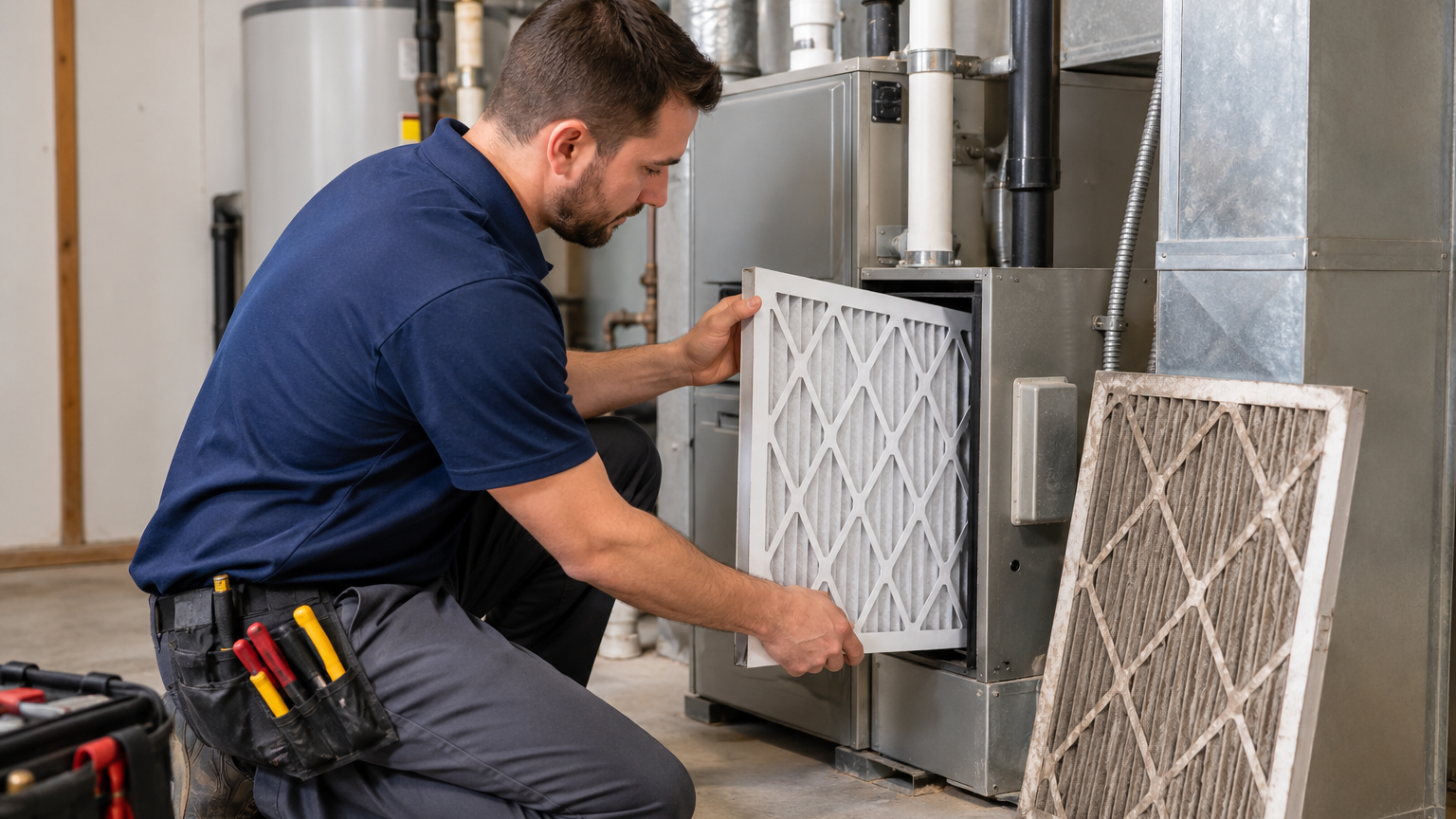
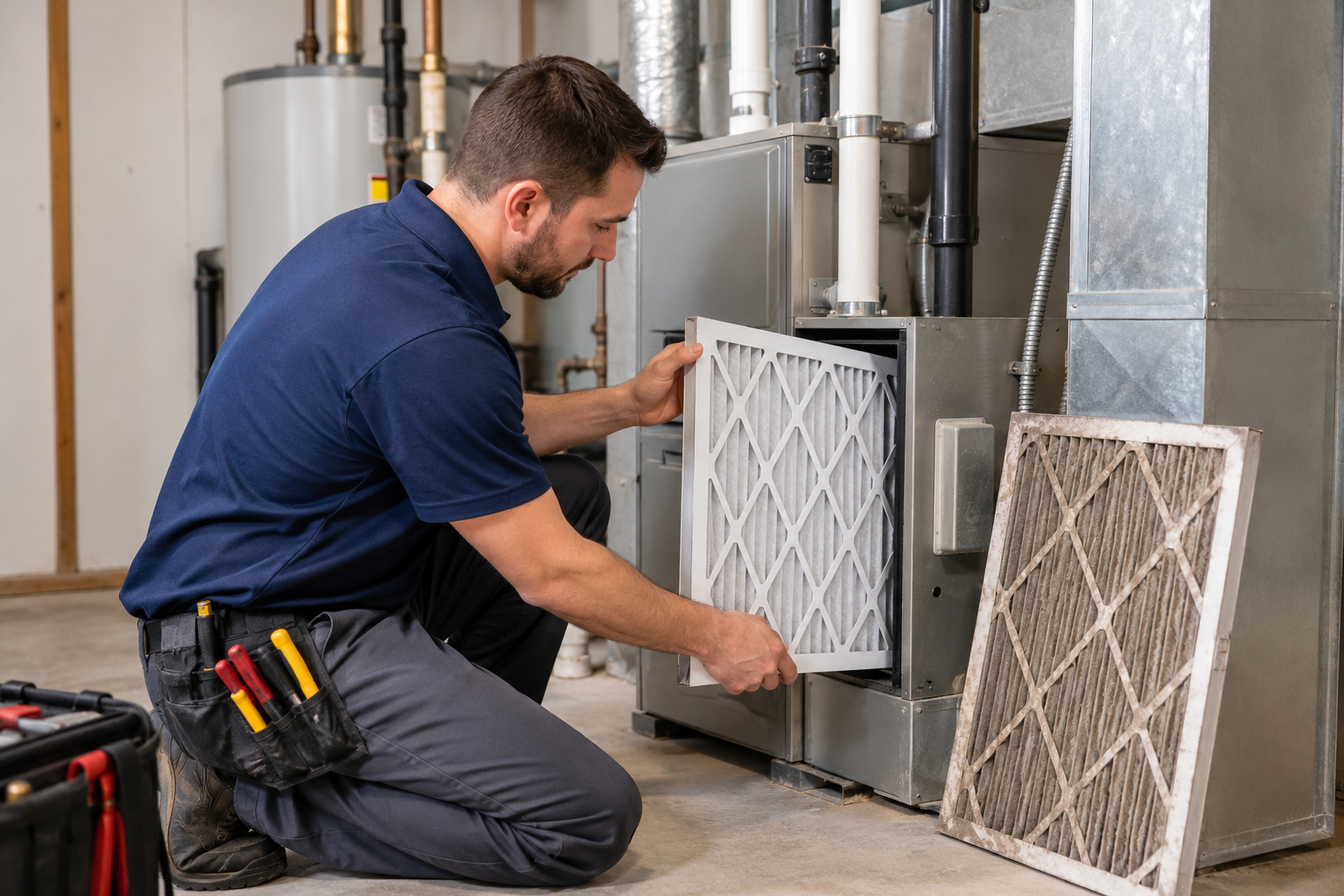
Your HVAC air filter helps capture dust, pollen, and other airborne particles as air circulates through the system.
Over time, filters collect debris and become less effective. A clogged filter can also restrict airflow, forcing your heating or cooling equipment to work harder.
Check your filter monthly during periods of heavy use and replace it according to the manufacturer’s recommendations.
Consider Higher-Efficiency Filters
Air filters have a Minimum Efficiency Reporting Value (MERV), which indicates how effectively they capture particles of different sizes.
The EPA’s air cleaner guidance recommends MERV 13 filters, or the highest rating your system can accommodate. However, not every residential HVAC system supports higher-efficiency filters without affecting airflow.
Professional Heating & Cooling in Chicago services can help homeowners determine which filter is appropriate for their equipment.
2. Schedule Regular HVAC Maintenance
Your heating and cooling system does more than regulate temperature. In forced-air systems, it also circulates air throughout your home.
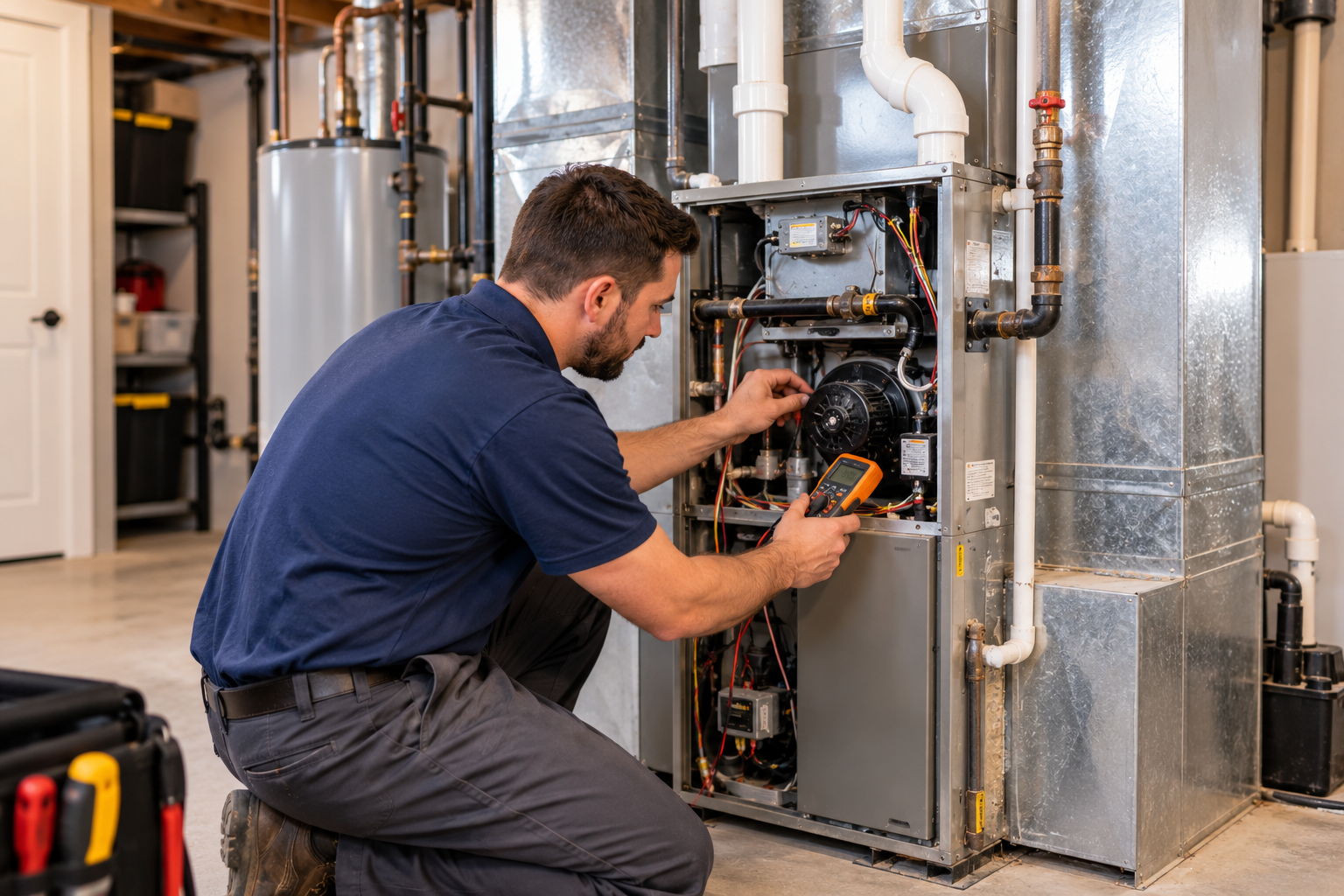
When HVAC equipment is poorly maintained, accumulated dust, dirty coils, blocked drains, and airflow problems can affect indoor comfort and air quality.
Professional maintenance may include:
- Inspecting and replacing air filters.
- Checking airflow and ventilation components.
- Cleaning accessible coils and inspecting drainage.
- Examining the blower and other mechanical components.
- Identifying moisture buildup or potential contamination.
Homeowners experiencing reduced airflow, unusual odors, or inconsistent cooling should consider professional AC Service & Installation Chicago.
During colder months, Furnace Service & Installation Chicago can help maintain heating performance and address equipment problems.
Regular maintenance cannot eliminate every indoor allergen, but it supports proper equipment operation.
3. Keep Indoor Humidity Under Control
Humidity plays an important role in maintaining healthy indoor conditions.
Excess moisture can encourage mold growth and create favorable conditions for dust mites. Conversely, extremely dry air may irritate the nose, throat, and respiratory passages.
The EPA recommends maintaining indoor relative humidity between 30% and 50% to help manage moisture-related indoor air problems.
A simple hygrometer can help you monitor humidity levels.
During Chicago’s humid summers, properly functioning air conditioning can help remove moisture from indoor air. Bathrooms and kitchens should also have adequate exhaust ventilation.
If you notice persistent condensation, musty odors, or visible mold, investigate the moisture source rather than relying solely on filtration.
4. Improve Ventilation Without Bringing in More Pollen
Fresh outdoor air can help dilute indoor pollutants, but opening windows isn’t always the best choice during allergy season.
When outdoor pollen counts are high, open windows may allow additional allergens to enter your home.
Instead, check local pollen conditions and outdoor air quality before ventilating naturally.
Consider using kitchen and bathroom exhaust fans that vent outdoors, maintaining mechanical ventilation equipment, and opening windows when outdoor conditions are favorable.
The EPA’s guidance on biological contaminants recommends balancing ventilation with outdoor pollen levels, pollution, humidity, and weather conditions.
The goal is to improve air exchange without unnecessarily increasing exposure to outdoor allergens.
5. Reduce Common Indoor Allergy Triggers
Even an efficient HVAC system cannot remove every allergen from your home.
Household cleaning and everyday habits remain essential for controlling indoor particles.
Consider these practical steps:
- Vacuum carpets and upholstered furniture using a vacuum with a HEPA filter.
- Wash bedding regularly to reduce dust mite allergens.
- Remove shoes near entrances to limit tracked-in pollen.
- Wipe surfaces with a damp cloth instead of spreading dust.
- Keep pets groomed and clean their sleeping areas.
- Change clothes after spending extended periods outdoors during high-pollen days.
These habits complement HVAC filtration by reducing the amount of dust and allergens entering or accumulating inside your home.
6. Consider a Portable HEPA Air Purifier
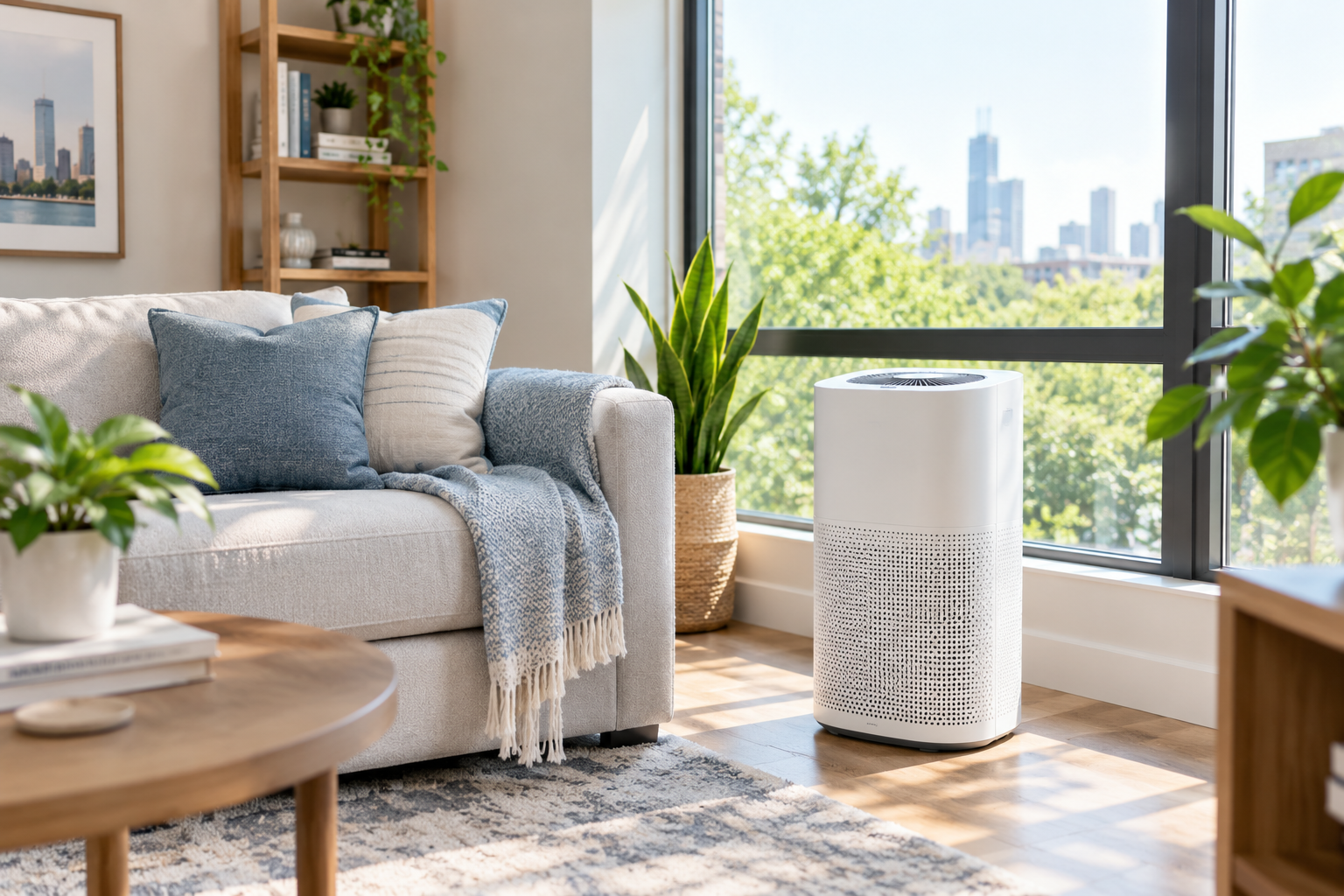
For households with persistent airborne allergens, a portable HEPA air purifier may provide additional filtration.
HEPA stands for High-Efficiency Particulate Air. According to the EPA, a HEPA filter can theoretically capture at least 99.97% of particles measuring 0.3 microns under specified testing conditions.
However, actual room-level performance depends on airflow, placement, operating time, and the size of the space.
Choose an air purifier with a Clean Air Delivery Rate (CADR) appropriate for your room.
Portable air cleaners work best as supplements to source control, ventilation, and regular cleaning. Avoid models that intentionally produce ozone, which can irritate the lungs.
7. Know When Your HVAC System Needs Professional Attention
Sometimes, persistent indoor comfort problems indicate that your HVAC equipment needs attention.
Warning signs include weak airflow, excessive dust near vents, unusual odors, inconsistent temperatures, frequent cycling, or moisture around equipment.
A technician can inspect the system and determine whether maintenance, repair, or replacement is appropriate.
For homeowners considering updated equipment, Service Pro Titans offers American Standard HVAC products.
Homes using boiler-based heating should also maintain their equipment. Although boilers generally do not provide forced-air filtration, regular Boiler Service & Installation Chicago helps support reliable heating and safe equipment operation.
Improve Your Home’s Air Quality With Service Pro Titans
Improving indoor air quality during Chicago’s allergy season starts with manageable steps. Replacing filters, controlling humidity, reducing household allergens, and scheduling HVAC maintenance can help create a cleaner, more comfortable indoor environment.
If your heating or cooling system needs professional attention, Service Pro Titans is here to help.
Our HVAC Professionals Chicago team provides residential and light commercial heating and cooling services throughout the area.
Visit www.serviceprotitans.com to schedule service and keep your HVAC system operating properly throughout Chicago’s changing seasons.