

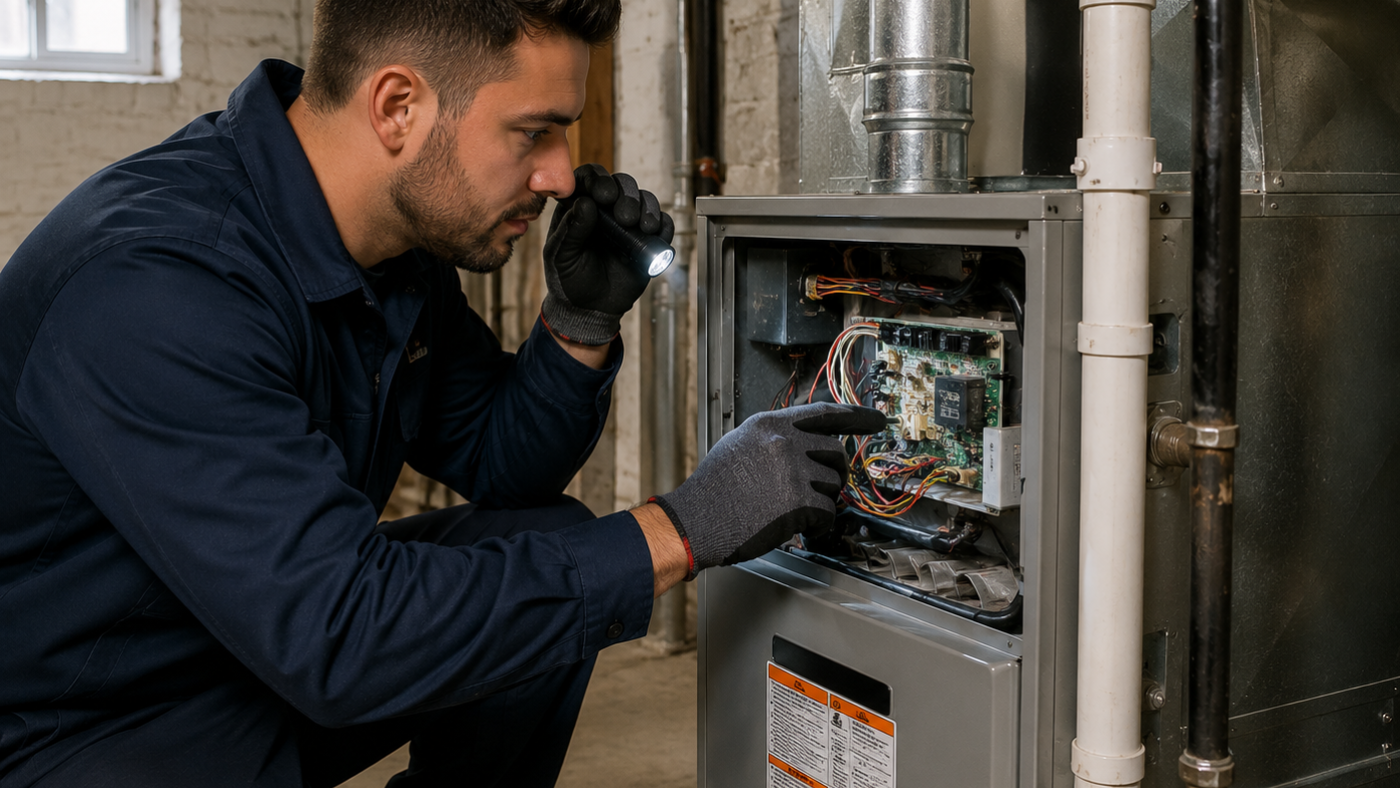
Furnace Repair Warning Signs Every Chicago Homeowner Should Watch For:
A furnace rarely stops working without giving some indication that something is wrong. The warning may be subtle at first: a room that never feels warm enough, a new rattling sound, a higher utility bill, or a heating cycle that seems unusually short.
Ignoring these changes can allow a manageable repair to become a complete breakdown. That is particularly inconvenient in Chicago, where the National Weather Service reports a normal winter temperature of approximately 28.1°F between December and February.
Knowing the most common furnace repair warning signs helps homeowners act before indoor comfort, energy efficiency, or household safety is affected. The team at Service Pro Titans provides residential and light commercial heating support for property owners who need reliable answers, not guesswork.
Here are the furnace problems every Chicago homeowner should take seriously.
1. Some Rooms Are Warm While Others Stay Cold
Uneven heating is one of the earliest signs that a furnace or its air distribution system may not be operating correctly.
A small temperature difference between an upstairs bedroom and a basement is not always unusual. However, a room that remains noticeably cold despite open supply vents may point to:
- Restricted airflow
- A clogged furnace filter
- Blower motor problems
- Leaking or poorly balanced ductwork
- An incorrectly sized furnace
- Thermostat or zoning issues
Before scheduling service, check whether furniture, rugs, or curtains are blocking the supply and return vents. If the vents are clear and the problem continues, a trained technician should inspect the system.
Persistent cold spots often mean the furnace is working longer to reach the thermostat setting. That additional workload can increase energy use and place unnecessary strain on internal components.
2. The Furnace Turns On and Off Repeatedly
A furnace normally runs in cycles, but it should not start and stop every few minutes. This is commonly called short cycling.
Short cycling may result from a dirty filter, an overheating furnace, a faulty thermostat, restricted airflow, an incorrectly sized system, or a malfunctioning safety control. Because the equipment repeatedly starts without completing a full heating cycle, the home may never reach a comfortable temperature.
Frequent starting also puts extra stress on components such as the igniter, blower motor, and control board. The underlying cause should be diagnosed rather than allowing the furnace to continue cycling.
A technician providing furnace service and installation in Chicago can inspect the airflow, temperature rise, electrical controls, thermostat, and combustion system to identify why the furnace is shutting down prematurely.
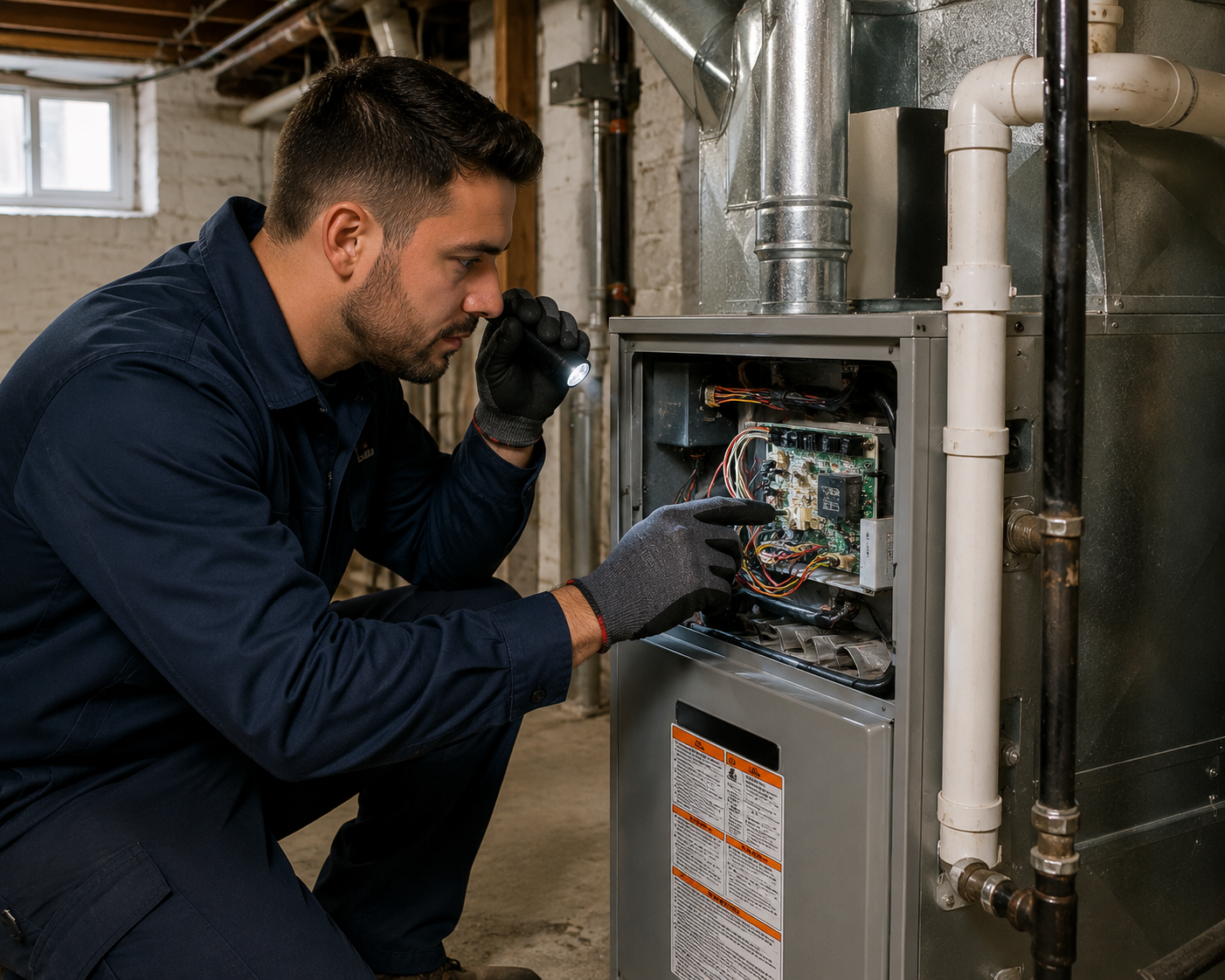
HVAC technician checking a furnace for short cycling in a Chicago home.
3. You Hear Banging, Rattling, Screeching, or Grinding
Furnaces are not completely silent. You may hear air moving through the ducts, the burner starting, or metal expanding slightly as the equipment heats up.
New, loud, or persistent noises are different.
A rattling sound could indicate a loose panel or component. Screeching may be connected to a blower belt, bearing, or motor problem. Grinding can suggest that moving parts are wearing against each other. A loud bang during startup may require an inspection of the ignition or combustion process.
Homeowners should not remove furnace panels or attempt to repair combustion components themselves. Shut the system down and contact qualified HVAC professionals in Chicago when a sound is severe, worsening, or accompanied by an unusual smell.
Describing when the noise occurs during startup, while the blower is running, or when the system shuts down can help the technician narrow down the cause.
4. You Notice an Unusual Odor
A brief dusty smell can occur when a furnace is first started after sitting unused during the warmer months. Dust collected on components may heat up and produce a temporary odor.
That smell should fade quickly. Other odors require more attention.
A burning electrical smell may indicate an overheated motor, damaged wiring, or another electrical issue. A musty odor could be associated with moisture or contaminants in the HVAC system. A sharp exhaust-like smell may point to a venting or combustion concern.
A natural gas odor is an emergency. Leave the property immediately and contact the gas utility or emergency services from a safe location. Do not attempt to locate or repair the leak.
Carbon monoxide is different from natural gas because it has no color or odor. Therefore, homeowners cannot rely on smell to identify a carbon monoxide problem.
5. Airflow From the Vents Feels Weak
When the furnace is running, you should feel a consistent flow of warm air from the supply vents. Weak airflow can make rooms uncomfortable even when the furnace itself is producing heat.
Common causes include:
- A dirty or overly restrictive filter
- A struggling blower motor
- A damaged blower wheel
- Closed or obstructed vents
- Duct leaks
- A buildup of debris inside the system
- Incorrect equipment or duct sizing
ENERGY STAR recommends checking furnace filters monthly and cleaning or replacing them when needed. It warns that a dirty filter can raise energy costs, damage equipment, and contribute to early system failure.
Filter replacement is an appropriate homeowner maintenance task when completed according to the furnace manufacturer’s instructions. Internal blower, electrical, and duct problems should be handled professionally.
6. Your Heating Bills Increase Without a Clear Reason
Chicago heating costs naturally change with outdoor temperatures, thermostat settings, and utility rates. However, a significant increase that cannot be explained by colder weather or higher rates may signal declining furnace performance.
A furnace may use more energy when it has:
- Restricted airflow
- Dirty burners
- Worn mechanical parts
- Leaking ducts
- Thermostat problems
- Delayed maintenance
- A loss of heating efficiency due to age
Compare bills from similar weather periods rather than comparing a mild fall month with the middle of winter. Also consider whether your household schedule or thermostat settings have changed.
If energy consumption continues rising, a furnace inspection can determine whether the problem is related to maintenance, a repairable component, the duct system, or the overall condition of the equipment.
Homeowners considering new equipment can also ask about correctly sized, high-efficiency options, including available American Standard HVAC systems.
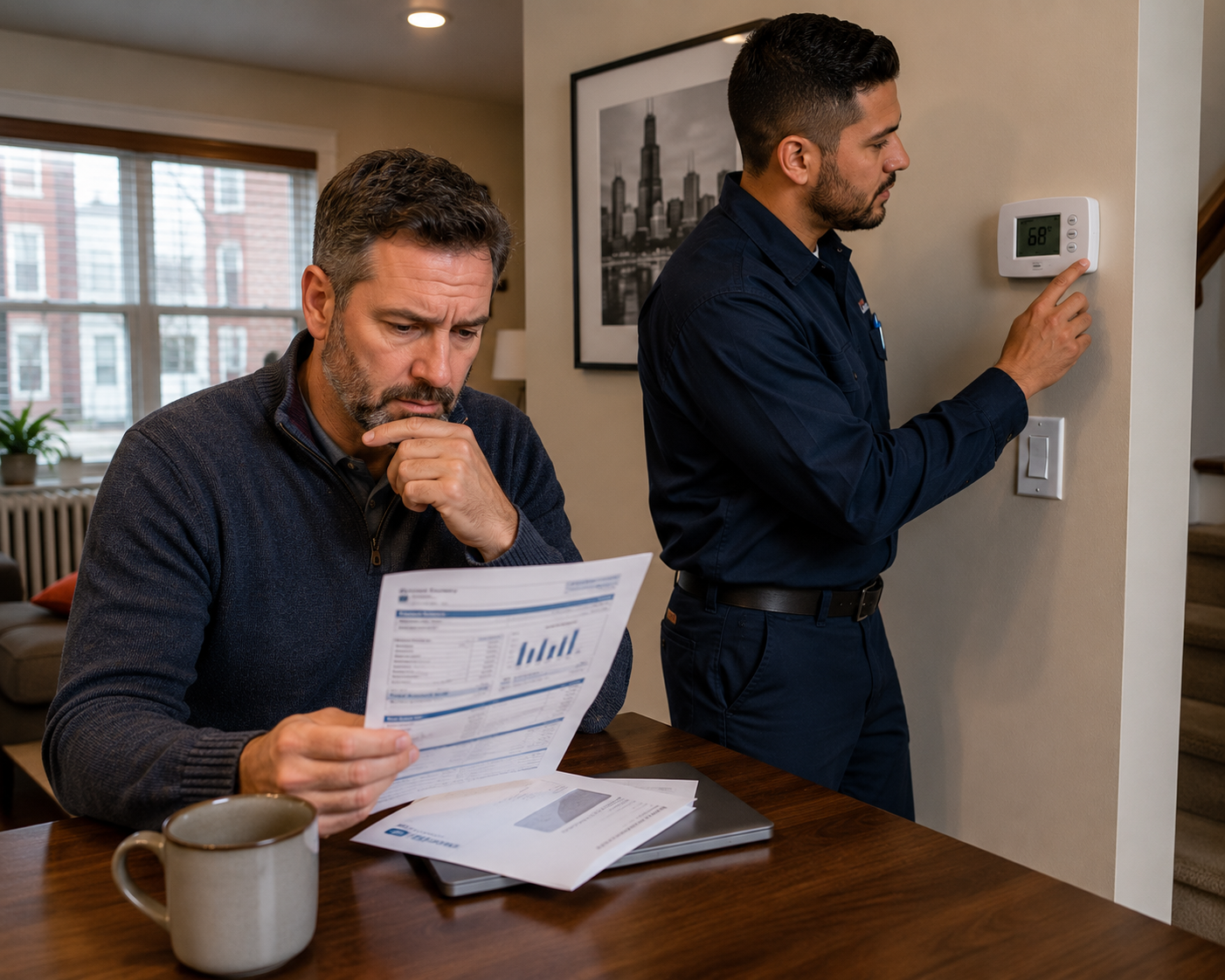
Chicago homeowner discussing rising furnace energy costs with an HVAC technician.
7. The Furnace Produces Cool or Lukewarm Air
A furnace that runs but does not deliver properly heated air may have an ignition, burner, thermostat, airflow, or fuel-supply problem.
First, confirm that the thermostat is set to “heat” and that the selected temperature is above the current room temperature. Also check whether the fan setting has been changed from “auto” to “on.” When the fan is set to “on,” it may continue circulating unheated air between heating cycles.
If the settings are correct, avoid repeatedly resetting the furnace. Continual resets can hide the original fault without resolving it.
A professional inspection can determine whether the furnace is failing to ignite, shutting down on a safety control, or producing heat that is not being distributed correctly.
8. The Carbon Monoxide Alarm Activates
A carbon monoxide alarm should never be ignored. Carbon monoxide can be produced when fuel-burning equipment does not burn or vent correctly.
The U.S. Consumer Product Safety Commission identifies headache, dizziness, weakness, nausea, vomiting, sleepiness, and confusion as possible symptoms of carbon monoxide exposure. It advises anyone who suspects exposure to move outside into fresh air immediately and call 911.
When a carbon monoxide alarm sounds:
- Move everyone, including pets, outside.
- Call 911 or the fire department from outside.
- Do not re-enter until emergency professionals say it is safe.
- Do not restart the furnace until it has been inspected.
The CPSC recommends carbon monoxide alarms on every level of a home and outside sleeping areas. It also recommends testing alarms monthly.
A carbon monoxide alarm is not simply another furnace warning sign. It is a potential life-safety emergency.
9. You See Soot, Rust, Water, or Discoloration
Visible changes around a furnace may provide clues about developing problems.
Black soot can be associated with incomplete combustion or venting concerns. Rust may indicate ongoing moisture exposure, condensation problems, or aging metal components. Water around a high-efficiency furnace could come from a blocked condensate drain, damaged tubing, or another drainage issue.
ENERGY STAR notes that contractors should inspect condensate drains because a blockage can contribute to water damage and humidity problems. Its maintenance guidance also recommends checking gas connections, burner combustion, and heat exchangers because problems in these areas can affect safety and efficiency.
Do not wipe away soot or water and assume the problem is resolved. The source should be found before corrosion, water damage, or unsafe operation becomes worse.
10. Repairs Are Becoming More Frequent
One repair does not automatically mean a furnace needs to be replaced. Many isolated problems can be corrected economically, especially when the system has been maintained properly.
Replacement becomes more reasonable when:
- Breakdowns occur repeatedly
- Several major components are deteriorating
- The furnace struggles to heat the home
- Replacement parts are difficult to obtain
- Energy use continues increasing
- The equipment is approaching the end of its expected service life
- A repair would cost a substantial percentage of a new system
The decision should be based on the furnace’s condition, repair history, installation quality, home size, ductwork, and current heating needs, not age alone.
A trustworthy contractor should explain the repair and replacement options clearly, including the likely costs, limitations, and expected benefits of each choice.
What Can Chicago Homeowners Check Safely?
Homeowners can perform a few basic checks without opening the furnace cabinet or working on gas and electrical components:
- Confirm the thermostat is set correctly.
- Replace a visibly dirty filter with the correct size and type.
- Make sure supply and return vents are open and unobstructed.
- Check whether the furnace switch or circuit breaker has been turned off.
- Note any displayed error code for the technician.
- Test smoke and carbon monoxide alarms regularly.
Do not attempt to repair wiring, bypass safety switches, relight an unfamiliar ignition system, adjust gas pressure, or inspect a heat exchanger yourself.
Professional pre-season maintenance is also worthwhile. ENERGY STAR recommends annual heating checkups before winter and notes that a qualified contractor should inspect controls, electrical connections, airflow, gas connections, burner combustion, and the heat exchanger.
Furnace Repair Is Also a Home Safety Issue
Furnace problems are not limited to comfort and energy costs. Heating equipment is a significant source of residential fire risk. NFPA research found that heating equipment was involved in approximately one in six reported U.S. home structure fires during 2016–2020.
That does not mean every furnace noise or cold room represents an immediate danger. It does mean that combustion, electrical, and overheating problems should be evaluated rather than ignored.
Preventive maintenance and prompt repairs give technicians an opportunity to identify loose electrical connections, dirty burners, restricted airflow, damaged venting, and other concerns before the furnace faces Chicago’s heaviest winter demand.
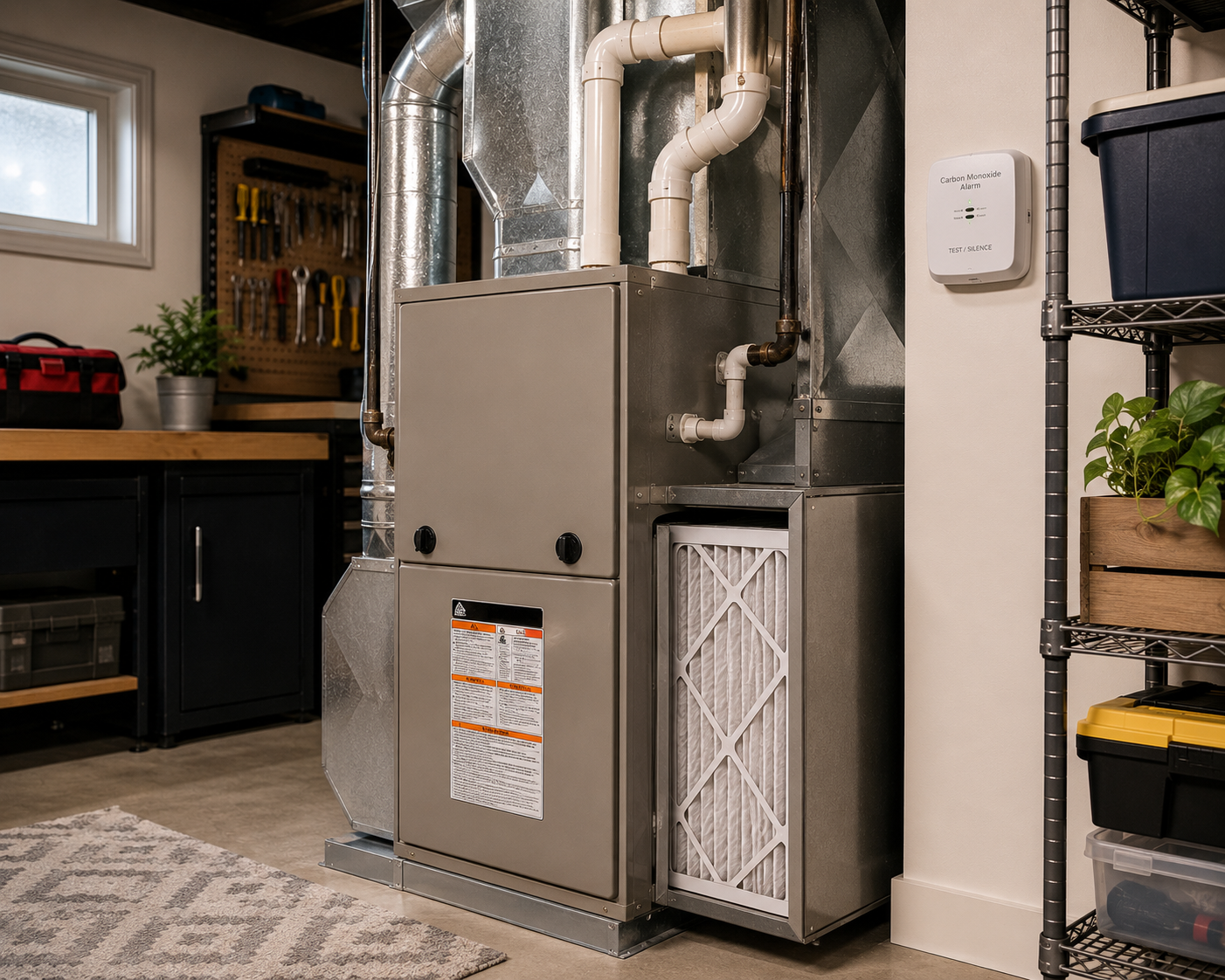
Maintain a Chicago furnace with a clean air filter and carbon monoxide alarm.
Schedule Furnace Repair Before a Small Problem Gets Worse
A furnace does not need to stop completely before it deserves professional attention. Uneven temperatures, frequent cycling, unfamiliar noises, weak airflow, unusual odors, increasing utility bills, soot, moisture, and repeated repairs can all indicate that the system needs service.
Service Pro Titans provides residential and light commercial heating and cooling in Chicago, with support for furnace troubleshooting, maintenance, repair, and equipment replacement.
The company also provides AC service and installation in Chicago for warmer weather, boiler service and installation in Chicago for hydronic heating systems, and year-round heating and cooling services in Chicagoland.
Do not wait for a minor furnace problem to become a no-heat emergency during the next cold spell. Visit www.serviceprotitans.com to request an inspection and get clear recommendations based on the condition of your heating system.