
Why Your Chicago Home Isn’t Heating Properly and What to Do About It:
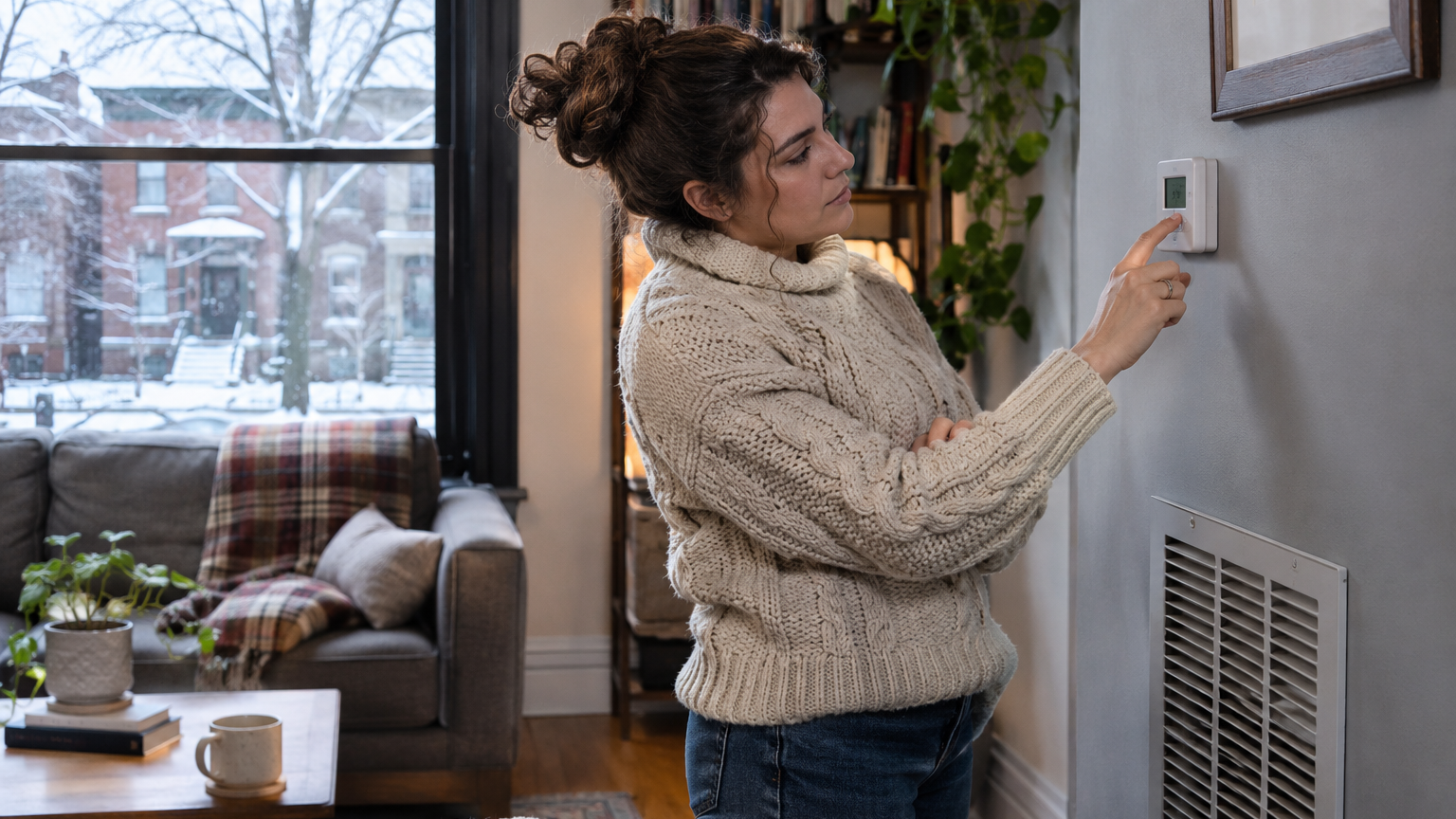
Chicago heating problems can quickly become a serious concern when winter temperatures drop. You turn on your thermostat expecting warmth, but cold air blows through your vents or your radiators stay lukewarm. During a harsh Chicago winter, a malfunctioning heating system threatens your comfort and safety.
A heating system that isn’t producing adequate warmth doesn’t always require full equipment replacement. Often, minor issues like incorrect thermostat settings, clogged filters, or trapped air in hydronic lines are to blame. Other situations involve flame sensor failures, ignition issues, or circulator pump problems that demand professional care.
At Service Pro Titans, we help Chicago homeowners address winter heating problems and restore dependable indoor warmth. Here’s what might be affecting your heating system and how to keep your home warm all winter long.
7 Common Reasons Your Chicago Heating System Fails to Warm Your Home
Understanding why your furnace or boiler isn’t heating properly helps you take immediate action before a minor glitch leads to a complete no-heat emergency.
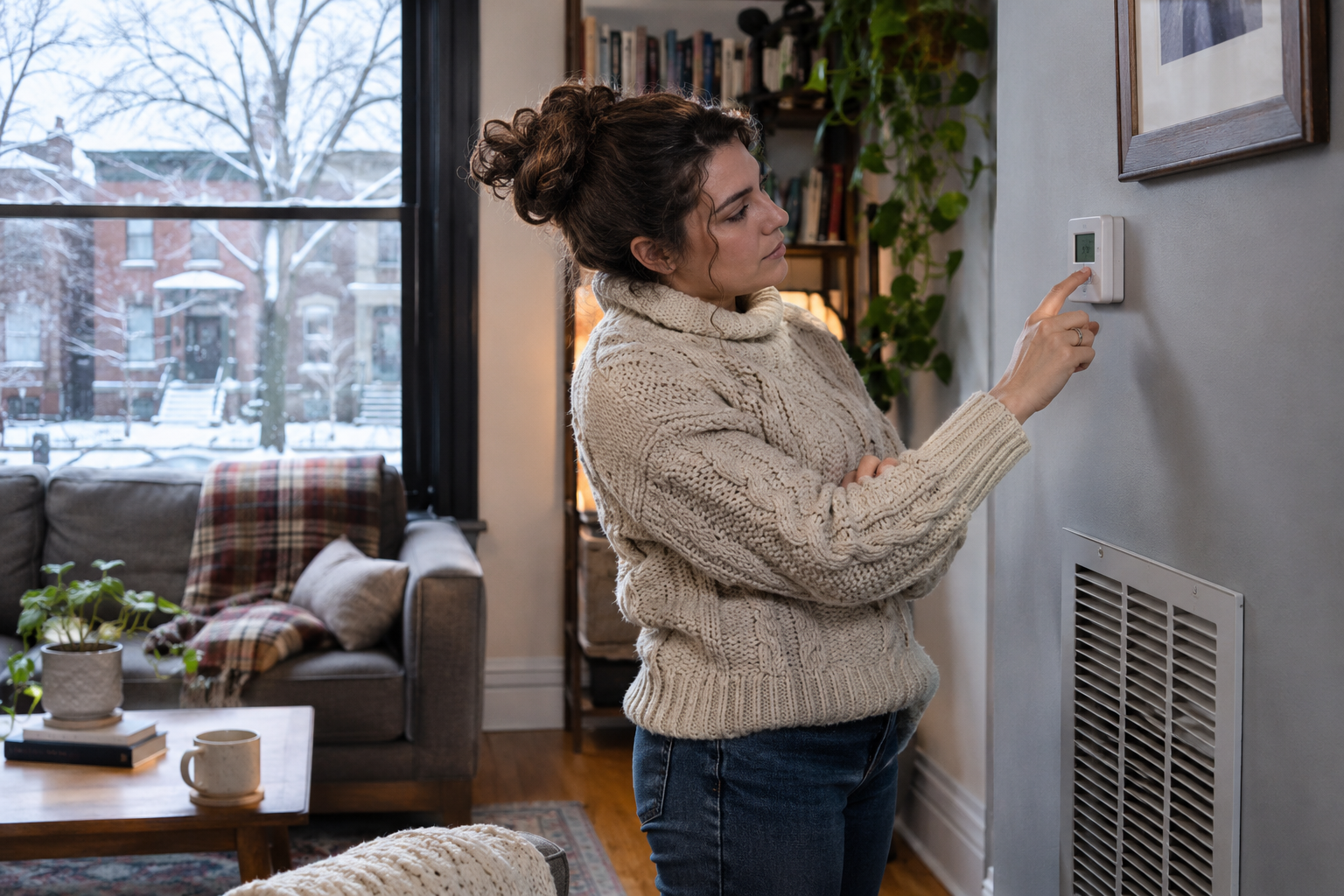
1. Incorrect Thermostat Settings or Dead Batteries
Before assuming your furnace or boiler has broken down, double-check your thermostat.
Verify that it is set to “Heat” rather than “Cool” or “Off,” and ensure the set temperature is higher than the current room temperature. Dead batteries can also prevent the thermostat from signalling your furnace to ignite.
Additionally, check the fan setting. Setting the fan to “On” forces the blower to run constantly, even when the furnace burners aren’t firing, which can circulate cold room air through your registers.
What to do: Set the fan to “Auto,” replace the thermostat batteries, and raise the target temperature. Allow a few minutes for the system to initiate its ignition sequence.
2. Clogged Air Filters Restricting Airflow
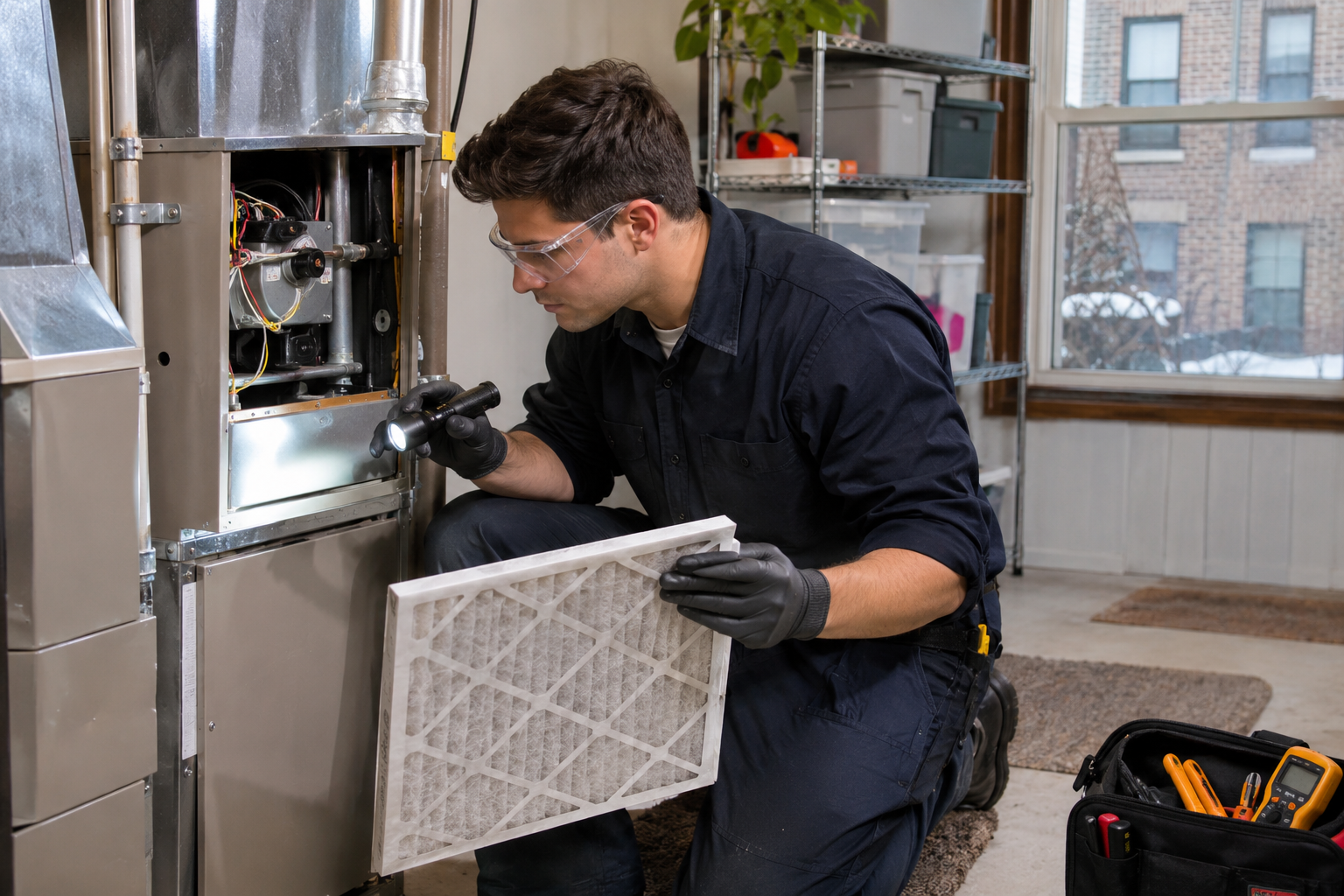
Forced-air furnaces need proper airflow to operate efficiently and safely. A dirty, dust-clogged air filter severely restricts airflow, causing the heat exchanger to overheat.
When a heat exchanger overheats, high-limit safety switches automatically shut down the furnace burners to prevent structural damage, leaving you with cold air blowing from your vents.
According to the U.S. Department of Energy, replacing dirty furnace filters regularly reduces strain on motor components and lowers overall energy consumption during peak winter months.
What to do: Inspect your furnace filter monthly throughout the Chicago heating season and replace it as soon as dirt accumulates.
3. Dirty Flame Sensor or Pilot Light Failure
Modern gas furnaces use flame sensors to confirm that gas has ignited safely. Over time, carbon deposits accumulate on the sensor rod, preventing it from detecting the burner flame.
When a dirty flame sensor fails to detect a flame, the furnace automatically cuts off gas flow seconds after ignition as a safety precaution.
In older systems, pilot light draft outages or faulty hot-surface igniters produce similar symptoms, causing the furnace to short cycle repeatedly without generating warmth.
What to do: If your furnace turns on for a few seconds and then shuts off, schedule a technician to safely clean or replace the ignition components.
4. Trapped Air or Pressure Issues in Boiler Radiators
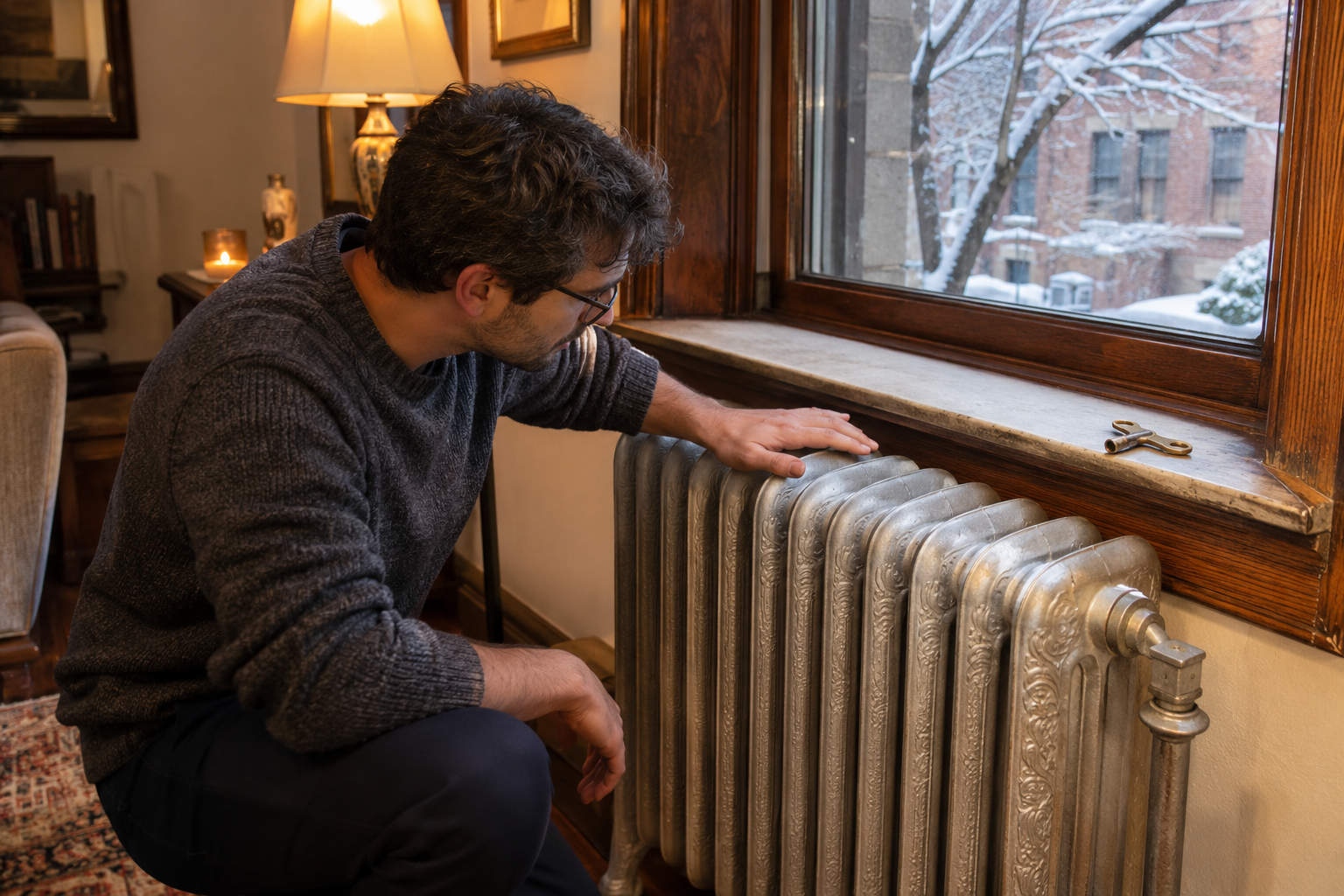
Many older Chicago homes rely on hot-water boilers and radiators for heating.
When air becomes trapped inside hot-water radiator lines, it creates airlocks that block hot water from circulating effectively through the upper portions of your radiators.
As a result, radiators may feel cold at the top while remaining warm near the bottom, leaving rooms drafty and chilly.
What to do: Carefully bleed air from affected radiators using a radiator key, or arrange professional Boiler Service & Installation Chicago to restore system pressure and flow balance.
5. Gas Supply Line and Valve Problems
Gas-fired heating equipment requires steady, uninterrupted fuel flow to operate properly.
If the manual gas shutoff valve was accidentally turned off, or if electronic control valves fail, the system cannot ignite.
A sulfurous or rotten-egg odor indicates a dangerous natural gas leak requiring immediate safety precautions.
The U.S. Department of Energy emphasizes that gas line maintenance and combustion safety checks should always be conducted by qualified service personnel.
What to do: Confirm gas valves serving the appliance are open. If you smell gas, evacuate immediately, call your utility provider, and do not operate electrical switches.
6. Blower Motor or Circulator Pump Failure
Even if your furnace creates heat or your boiler warms water, that warmth must be moved throughout your home.
Furnaces rely on blower motors to distribute warm air through ductwork, while boilers rely on circulator pumps to push hot water through piping.
Failed capacitors, worn bearings, or motor burnouts stop circulation, leaving heat trapped near the unit while the rest of your property stays cold.
What to do: Check your main breaker panel for tripped switches. If breaker resets do not solve motor issues, contact a professional technician for component testing.
7. Blocked Exhaust Flue or Intake Vents
Chicago winter storms bring heavy snowfall, ice accumulation, and drifting winds that can cover exterior intake and exhaust pipes.
Modern high-efficiency heating systems utilize pressure switches that shut down operation if flue gases cannot vent safely outside.
Clearing snow from sidewall termination pipes is essential for maintaining continuous heating during heavy winter weather.
What to do: Inspect exterior vent pipes along your foundation or wall and carefully remove snow, ice, or debris buildup.
Troubleshooting Checklist When Your Heating Fails
Before calling for urgent heating repair during cold weather, work through these essential preliminary checks:
- Verify thermostat settings: Confirm mode is set to “Heat” and temperature is raised high enough to request ignition.
- Inspect air filters: Replace clogged furnace filters to restore essential system airflow.
- Check emergency switches & breakers: Ensure unit power switches are turned on, and main circuit breakers haven’t tripped.
- Check exterior vents: Keep outdoor PVC intake and exhaust pipes clear of snow and ice blockage.
- Inspect boiler pressure & radiators: Verify water pressure levels and check for cold spots indicating trapped air.
- Call a professional contractor: Avoid attempting internal gas valve, electrical wiring, or heat exchanger repairs yourself.
For comprehensive Furnace Service & Installation Chicago, Service Pro Titans offers emergency response and skilled heating repairs tailored to local winter conditions.
Winter Heating Readiness: Protecting Your Chicago Home
Preparing your heating system prior to extreme cold helps ensure dependable operation and lowers seasonal energy expenses.
The ENERGY STAR maintenance checklist highlights annual autumn heating tune-ups to evaluate combustion safety, clean burners, inspect heat exchangers, and test limit controls before freezing temperatures arrive.
During routine heating service, technicians evaluate electrical connections, test safety shutoffs, inspect gas pressures, and verify balanced heat distribution.
Proactive winter preparation helps Chicago homeowners avoid emergency service calls during severe cold snaps.
If an outdated system suffers frequent breakdowns, upgrading to high-efficiency American Standard HVAC heating equipment provides greater efficiency and peace of mind.
When Should You Contact an HVAC Heating Professional?
Reach out to an experienced heating contractor if your furnace short cycles, makes loud banging noises, emits unusual smells, shows yellow burner flames, or fails to heat your property adequately after basic troubleshooting.
Professional diagnostics quickly identify whether gas valve faults, cracked heat exchangers, electrical failures, or airflow restrictions are impairing performance.
Chicago property owners can count on comprehensive seasonal heating support through Furnace Service & Installation Chicago and specialized Boiler Service & Installation Chicago.
Ensure Dependable Heating With Service Pro Titans
A home that won’t stay warm during Chicago’s winter can stem from minor thermostat settings or complex ignition and pressure problems. Addressing warning signs early protects your heating system and keeps your family comfortable.
If your heating system requires service, contact the experienced HVAC Professionals Chicago team at Service Pro Titans.
For reliable Heating & Cooling Chicagoland solutions, visit www.serviceprotitans.com or call 312-312-7312 to schedule your heating inspection today.