

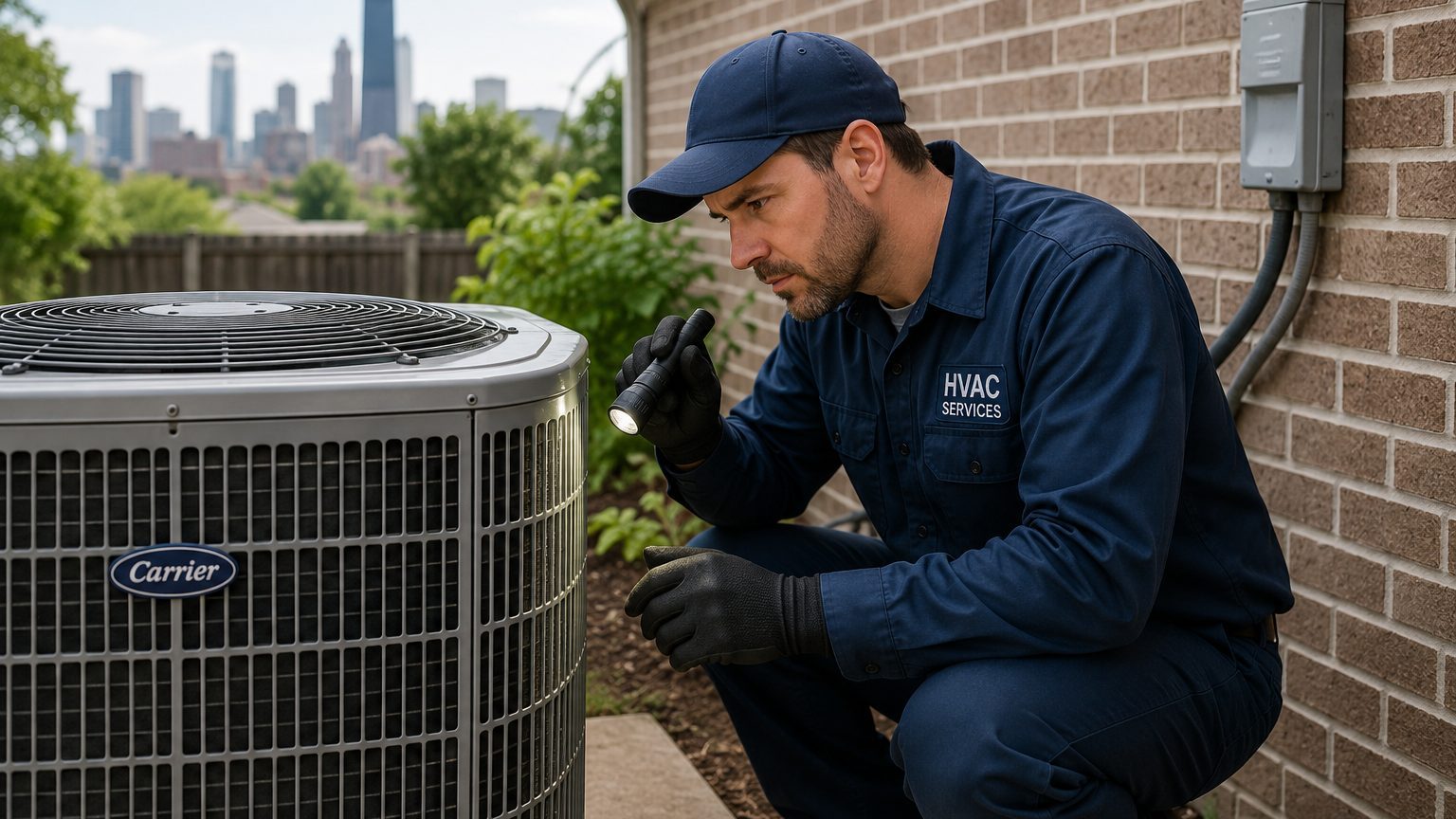
Chicago homeowners depend on their air conditioners to provide consistent cooling through warm, humid summer conditions. Although an AC system may appear to be working properly when it first starts up, hidden problems such as dirty coils, worn electrical components, restricted airflow, and clogged drainage lines can gradually reduce its performance.
So, how often should AC be serviced in Chicago?
Most residential air conditioning systems should receive professional maintenance once a year, preferably during the spring before regular summer use begins. A system that operates under demanding conditions, serves a light commercial building, or has a history of recurring problems may benefit from more frequent inspections.
Annual service gives a technician the opportunity to identify developing issues before the cooling season reaches its peak. It also helps homeowners prepare their systems for the extended run times that often occur during Chicago’s hottest weeks.
Homeowners looking for dependable local maintenance can contact Service Pro Titans for residential and light commercial heating and cooling assistance throughout Chicagoland.
Why Annual AC Service Is Recommended
An air conditioner contains several mechanical, electrical, and refrigeration components that must work together. Even when the system continues producing cold air, individual components may begin operating less effectively.
The U.S. Environmental Protection Agency’s ENERGY STAR program recommends professional annual preseason checkups. It advises scheduling cooling-system maintenance in spring and heating-system maintenance in fall, before contractors become busiest during seasonal temperature extremes.
Annual AC service can help:
- Restore airflow restricted by dirt or debris
- Identify worn or damaged electrical components
- Reduce unnecessary strain on the blower and compressor
- Check whether the system is draining condensation properly
- Find small problems before they cause an unexpected shutdown
- Support consistent temperatures throughout the home
- Confirm that the thermostat and system controls are communicating correctly
Maintenance cannot guarantee that an air conditioner will never require repairs. However, it gives homeowners more information about the system’s condition and creates an opportunity to address visible wear before it becomes more disruptive.
Chicago’s climate makes preseason preparation particularly valuable. National Weather Service climate normals for Chicago O’Hare show an average July high of approximately 84.5°F and an average August high of approximately 82.5°F. Actual heat waves can produce considerably higher temperatures and longer AC operating cycles.
What Is the Best Time to Service an AC in Chicago?
The best time to schedule annual AC maintenance in Chicago is generally between March and May.
A spring appointment offers several advantages:
The system can be tested before peak demand
Homeowners can discover whether the air conditioner starts, cools, and cycles normally before the first sustained period of hot weather.
Scheduling may be easier
HVAC companies generally receive more emergency calls when outdoor temperatures rise. Booking maintenance earlier may provide greater appointment flexibility.
Repairs can be addressed before summer
If an inspection identifies a weak capacitor, damaged wiring, blocked drain, or another concern, there may be more time to arrange the appropriate repair before the AC is needed every day.
Outdoor winter debris can be removed
Leaves, dirt, twigs, and other material can collect around an outdoor condenser during fall and winter. A technician can inspect the area and determine whether cleaning is necessary.
Homeowners who missed the spring maintenance window should not assume they must wait until the following year. An air conditioner can still be serviced during summer, especially if it has not been inspected recently or is showing performance problems.
For professional AC Service & Installation Chicago, schedule the visit as soon as possible rather than waiting for a minor concern to become a complete loss of cooling.
What Does a Professional AC Tune-Up Include?
The exact maintenance process can vary according to the system, its age, the manufacturer’s instructions, and what the technician observes. A thorough appointment should involve more than simply turning the thermostat down and confirming that cool air comes from a vent.
A professional AC tune-up may include:
Inspecting the outdoor condenser
The technician can examine the condenser cabinet, fan, coil, electrical connections, and surrounding area for damage, dirt, and restricted airflow.
Checking the indoor cooling components
The evaporator coil, blower assembly, air handler, and accessible connections may be inspected for dirt, moisture, corrosion, or signs of abnormal operation.
Testing electrical components
Capacitors, contactors, wiring, terminals, disconnects, motors, and other electrical components can wear over time. Loose or damaged connections may interfere with safe and dependable operation.
Inspecting the condensate drainage system
An air conditioner removes moisture from indoor air. The resulting condensation must move through the drain line correctly. A blockage may contribute to water leakage, moisture damage, or system shutdowns.
Evaluating airflow
Restricted airflow can make it harder for the system to cool the home. The technician may inspect the filter, blower, accessible duct connections, registers, and other airflow-related components.
Checking refrigerant-system performance
Air conditioning refrigerant is part of a sealed system and should not be treated as a routine consumable. If operating measurements suggest a refrigerant problem, the technician should investigate the underlying cause rather than repeatedly adding refrigerant without diagnosing a possible leak.
Testing the thermostat
The thermostat should accurately read indoor conditions, activate the cooling system, and allow it to complete normal operating cycles.
Measuring system operation
A technician may take temperature, pressure, electrical, and airflow measurements to evaluate whether the system is operating within appropriate specifications.
Homeowners should receive a clear explanation of any concerns found during the visit. Recommended repairs should be based on the system’s actual condition rather than a generic replacement schedule.
Should Some Air Conditioners Be Serviced More Often?
Once-a-year AC service is appropriate for many Chicago homes, but certain systems may need additional attention.
Consider asking an HVAC professional about more frequent service when:
- The air conditioner serves a light commercial property
- The system operates for unusually long periods
- The home contains pets that contribute additional hair or dander
- Construction dust or renovation debris is present
- The outdoor condenser is exposed to heavy vegetation or airborne debris
- The system has experienced repeated breakdowns
- The equipment is older and showing increased wear
- Household members rely heavily on stable indoor temperatures
- The system has unresolved airflow or humidity concerns
Light commercial equipment may accumulate operating hours more quickly than residential equipment. Maintenance frequency should therefore reflect usage, equipment design, indoor conditions, and manufacturer recommendations rather than relying only on the calendar.
Owners and property managers can consult experienced HVAC professionals in Chicago to develop a schedule appropriate for their equipment and building usage.
How Often Should Homeowners Change the AC Filter?
Professional annual maintenance does not replace routine homeowner care.
ENERGY STAR recommends inspecting, cleaning, or replacing the filter in a central air conditioner, furnace, or heat pump once a month. It also warns that a dirty filter can increase energy costs and contribute to equipment damage or early failure.
This does not necessarily mean every filter must be replaced every month. The correct replacement interval depends on:
- The filter type and thickness
- Manufacturer instructions
- How frequently the system operates
- Whether the home has pets
- Indoor dust levels
- Household occupancy
- Recent remodeling or construction
- Smoke and outdoor air-quality conditions
Check the filter regularly and replace it when it appears dirty or reaches the manufacturer’s recommended limit. Before installing a higher-efficiency filter, confirm that it is compatible with the system. A filter that is too restrictive for the equipment may reduce airflow.
Homeowners can also keep supply and return vents unobstructed, maintain reasonable clearance around the outdoor condenser, and watch for water near the indoor equipment. Internal cleaning, electrical testing, refrigerant work, and component repairs should be left to a qualified HVAC technician.
Signs Your AC Needs Service Before the Annual Appointment
Do not wait for the next scheduled tune-up when the system displays a clear warning sign.
Arrange an inspection when you notice:
Weak airflow
Reduced air movement from multiple vents may indicate a dirty filter, blower problem, frozen coil, duct restriction, or another airflow concern.
Warm or insufficiently cool air
If the system runs but does not lower the indoor temperature effectively, it may have an airflow, control, electrical, refrigerant, or mechanical problem.
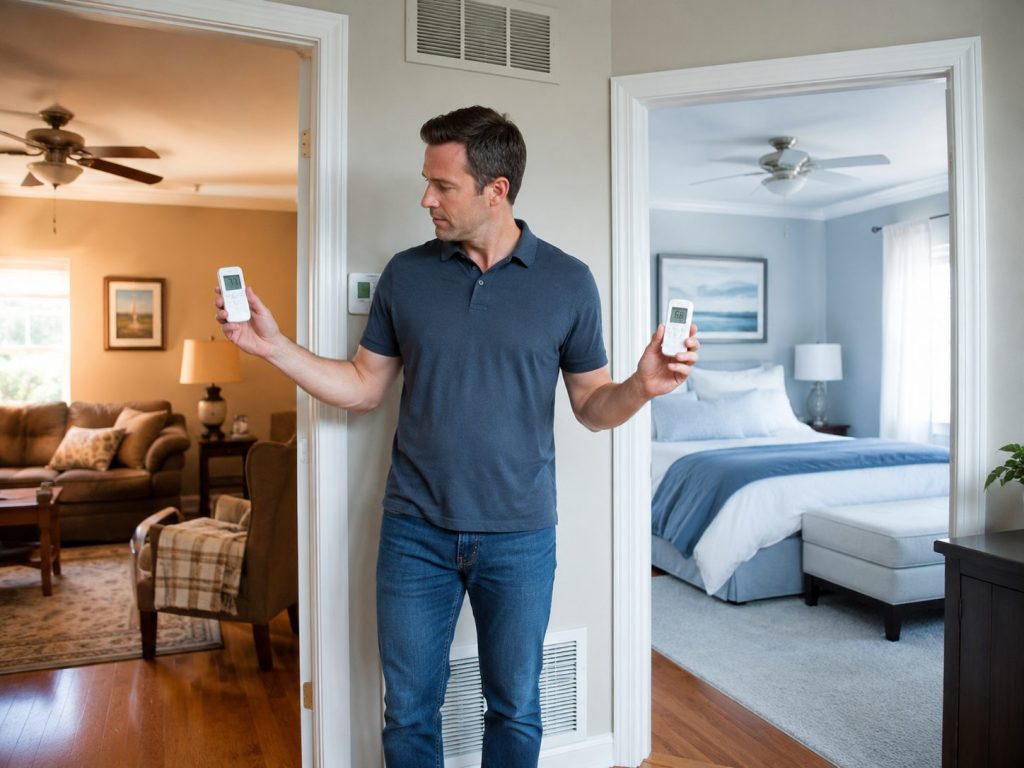
Uneven room temperatures
Temperature differences can result from duct issues, closed or blocked vents, insulation differences, solar exposure, equipment sizing, or an AC performance problem.
Frequent cycling
An air conditioner that starts and stops repeatedly may have a thermostat, airflow, electrical, sizing, or mechanical issue.
Unusual noises
Grinding, rattling, buzzing, squealing, or banging sounds should be inspected, particularly when they are new or becoming louder.
Unexpected increases in electricity use
Energy use changes with outdoor temperatures and thermostat settings. However, a noticeable increase without a clear change in weather or usage may indicate that the system is operating longer than usual.
Water around the indoor unit
Water may be related to a clogged condensate drain, drainage problem, frozen coil, damaged pan, or another issue requiring diagnosis.
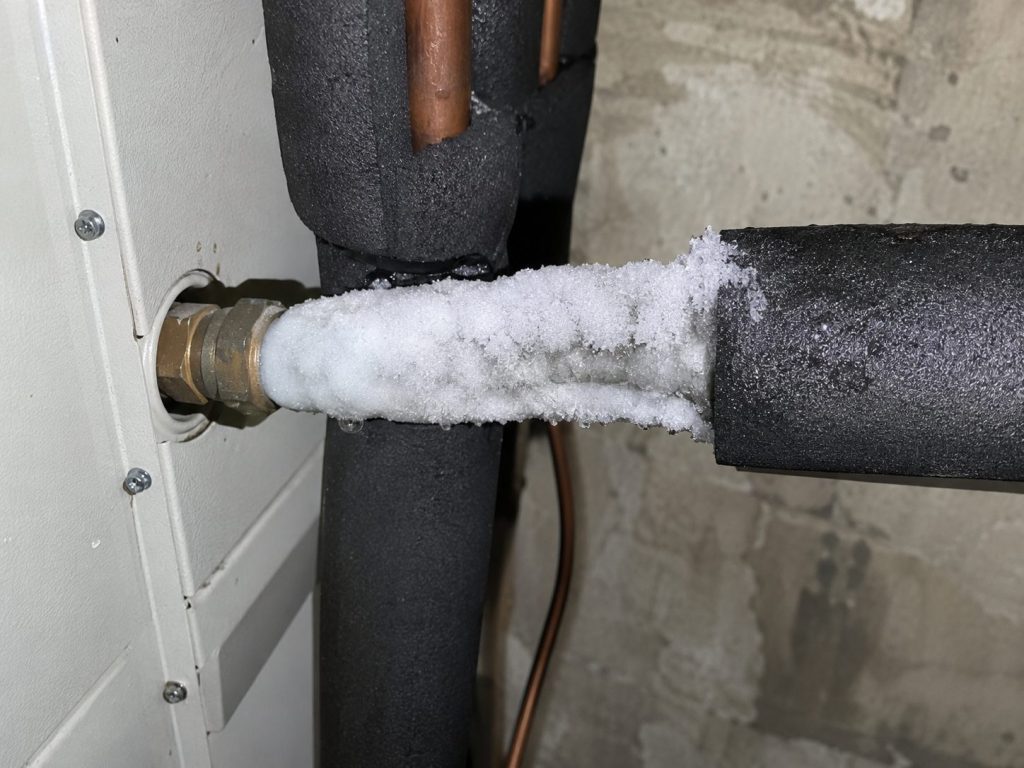
Ice on the coil or refrigerant line
Ice is not a sign that an air conditioner is producing extra cooling. It may be associated with restricted airflow, low refrigerant caused by a leak, or another operating problem. Turn the cooling system off and arrange an inspection instead of repeatedly restarting it.
Is AC Maintenance the Same as AC Repair?
Maintenance and repair serve different purposes.
AC maintenance is planned service performed to inspect, clean, test, and prepare a functioning system. The goal is to evaluate its condition and correct routine maintenance needs.
AC repair is performed when a component has failed, the system is not working correctly, or a specific problem requires correction.
A maintenance visit may uncover a repair need, but a tune-up should not be presented as proof that every component is guaranteed to remain problem-free for the rest of the season.
Homeowners should also distinguish maintenance from replacement. An older system does not automatically need to be replaced simply because of its age. Replacement may become worth considering when the system needs frequent repairs, uses excessive electricity, contains a major failed component, no longer cools the home effectively, or cannot provide dependable comfort.
When replacement is appropriate, homeowners can review energy-efficient American Standard HVAC equipment and ask for a system that is correctly sized for the property.
Does a Chicago Home Need Two HVAC Visits Per Year?
Although the air conditioner itself generally needs annual service, many Chicago homes benefit from two seasonal HVAC appointments:
- A cooling-system inspection in spring
- A heating-system inspection in fall
Chicago’s heating and cooling seasons place different demands on different components. A spring AC appointment does not necessarily include the combustion, venting, safety, or heating-specific checks required for a furnace or boiler.
Homeowners can arrange Heating & Cooling in Chicago based on the type of equipment installed in the home.
For properties with forced-air heating, learn more about Furnace Service & Installation Chicago. Homes and buildings with steam or hydronic systems can review Boiler Service & Installation Chicago.
Scheduling each system before its primary operating season helps ensure that both cooling and heating equipment receive appropriate attention.
Can Annual AC Service Lower Energy Bills?
Maintenance may support efficient operation, but homeowners should be cautious about promises of a guaranteed percentage reduction.
A clean filter, unobstructed airflow, properly operating motors, clean heat-transfer surfaces, and correctly functioning controls can help prevent the system from working harder than necessary. However, electricity costs also depend on:
- Outdoor temperature and humidity
- Thermostat settings
- Home insulation and air leakage
- Duct condition
- Equipment efficiency
- System sizing
- Household schedules
- Utility rates
- Window quality and solar exposure
An annual tune-up is one part of an effective cooling strategy. Other useful steps may include sealing air leaks, maintaining attic insulation, using window coverings during strong afternoon sunlight, and choosing reasonable thermostat settings.
For light commercial properties, the U.S. Department of Energy reports that following HVAC operations and maintenance best practices can produce meaningful energy savings, although actual results depend on the building and equipment.
How to Choose an AC Service Company in Chicago
Before scheduling maintenance, ask what the appointment includes. A reputable company should be willing to explain its process and provide clear findings after the inspection.
Look for an HVAC provider that offers:
- Qualified and properly certified technicians
- Experience with the system’s make and model
- Clear appointment and pricing information
- An inspection covering indoor and outdoor components
- Explanations supported by operating measurements
- Written repair recommendations when applicable
- Respect for the home and surrounding property
- Maintenance options for both cooling and heating equipment
Be cautious when a basic tune-up immediately becomes a high-pressure replacement presentation without clear evidence of a serious problem. Homeowners should understand what has failed, what remains operational, what repair options exist, and how urgent the situation truly is.
Schedule AC Maintenance Before Chicago’s Next Heat Wave
For most Chicago homeowners, the answer is straightforward: schedule professional AC service once a year, ideally in spring. Check the filter regularly, keep the outdoor equipment clear, and arrange earlier service whenever you notice weak airflow, unusual noises, water, ice, short cycling, or insufficient cooling.
Service Pro Titans provides residential and light commercial Heating & Cooling in Chicagoland, including AC maintenance, repairs, system installation, furnaces, boilers, and indoor comfort solutions.
Visit www.serviceprotitans.com to schedule an AC inspection and prepare your cooling system for Chicago’s summer conditions.
Frequently Asked Questions:
How often should a central air conditioner be serviced?
Most central air conditioners should receive professional service once every year. Spring is typically the best time because the system can be inspected before regular summer operation begins.
Is annual AC maintenance really necessary?
Annual maintenance is recommended because it allows a technician to inspect the system, clean applicable components, test operation, and identify developing concerns. It may be particularly valuable for older systems or equipment used heavily during summer.
Can I service my air conditioner myself?
Homeowners can replace compatible filters, keep vents clear, and remove loose debris from around the outdoor unit. Electrical testing, refrigerant handling, internal component cleaning, and mechanical repairs should be performed by a qualified professional.
What happens when an AC is not serviced?
A neglected system may experience restricted airflow, dirty components, drainage problems, reduced comfort, or unnoticed wear. Skipping service does not guarantee a breakdown, but it may allow manageable issues to develop without being detected.
How long does an AC tune-up take?
The time required depends on system accessibility, condition, design, and whether the technician finds a problem. Ask the contractor what is included rather than judging the quality of the appointment only by how quickly it is completed.
Should a new air conditioner be serviced every year?
Yes. New systems also benefit from annual service. Regular inspections can help maintain dependable operation, document maintenance, and identify installation or performance concerns. Review the manufacturer’s warranty terms for any specific maintenance requirements.
Should I service the AC if it appears to work normally?
Yes. Maintenance is most useful before a complete failure occurs. Some electrical, drainage, airflow, and mechanical concerns may not create obvious indoor symptoms during their early stages.