

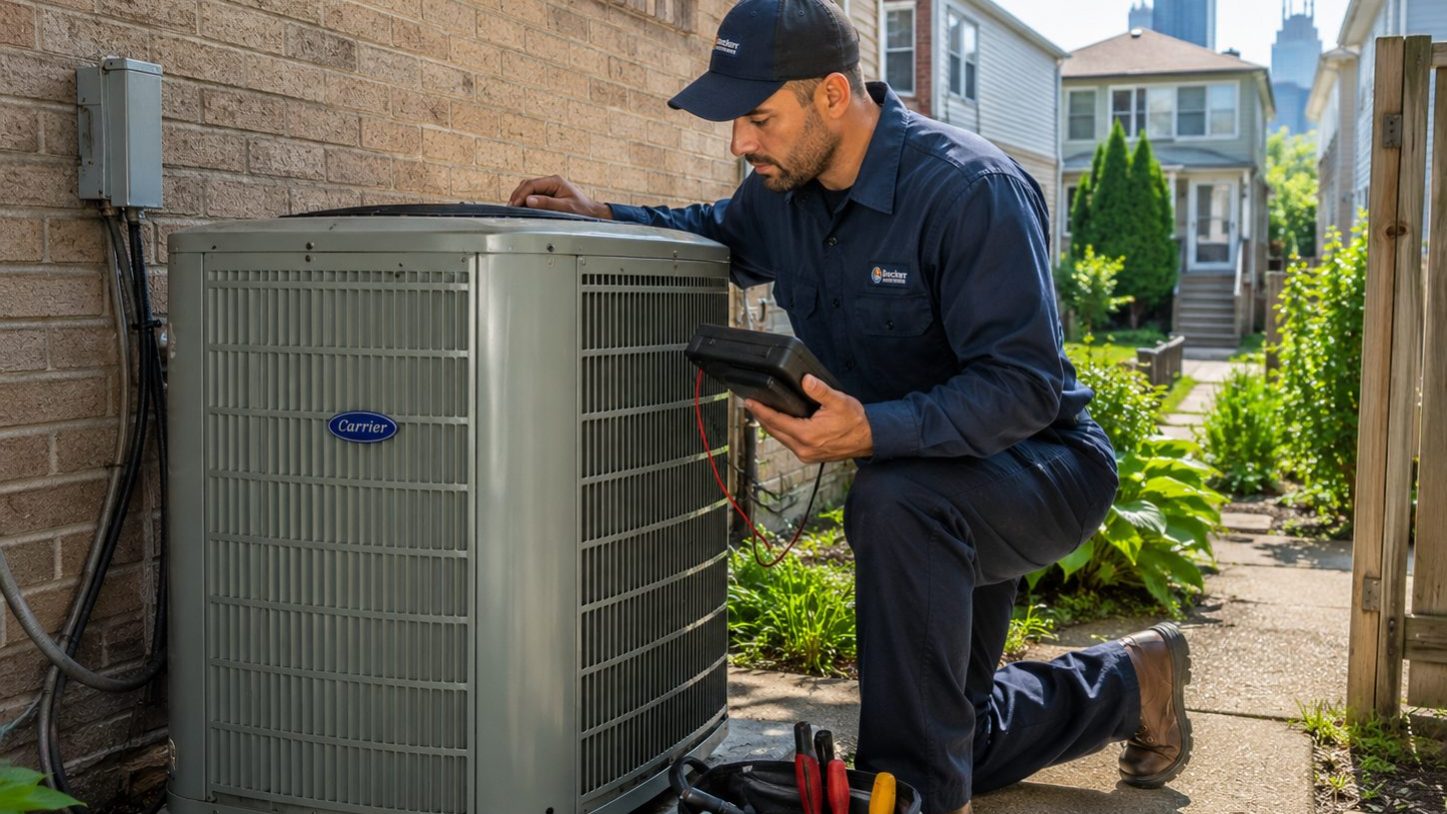
An air conditioner rarely stops working without giving some type of warning. Before a complete breakdown, homeowners may notice weaker airflow, unusual noises, inconsistent temperatures, higher energy bills, or changes in how frequently the system runs.
These early warning signs are easy to overlook, especially when the air conditioner is still producing some cool air. However, continuing to operate a struggling system can place additional stress on important components and may turn a manageable repair into a more expensive problem.
For homeowners and light commercial property owners in Chicago, recognizing the signs your AC needs repair can help prevent an inconvenient loss of cooling during warm weather. A timely inspection from Service Pro Titans can identify the cause of the problem and help restore efficient, dependable performance.
This guide explains the most common AC warning signs, what they may indicate, and when it is time to schedule professional service.
Your AC Is Blowing Warm or Lukewarm Air
Warm air coming from the vents is one of the clearest signs that an air conditioner needs attention. Before calling for service, confirm that the thermostat is set to “cool” and that the selected temperature is lower than the current indoor temperature.
When the settings are correct, but the system still does not produce cold air, possible causes include:
- Low refrigerant
- A refrigerant leak
- A dirty evaporator coil
- A failing compressor
- Restricted airflow
- A thermostat or electrical problem
The U.S. Department of Energy explains that low refrigerant can result from an incorrect initial charge or a leak.
Refrigerant and electrical repairs should not be treated as do-it-yourself projects. A professional diagnostic visit can determine whether the problem involves airflow, controls, refrigerant, or another component.
Homeowners experiencing this problem can arrange AC Service & Installation Chicago to have the system inspected before it stops cooling completely.
Airflow From the Vents Feels Weak
Your air conditioner may still produce cold air while failing to circulate it effectively through the home. Weak airflow can make certain rooms uncomfortable and force the system to operate longer to reach the thermostat setting.
Common causes of weak airflow include:
- A clogged air filter
- Blocked or closed supply vents
- A dirty evaporator coil
- Duct leaks or obstructions
- A malfunctioning blower motor
- An incorrectly sized HVAC system
Start by checking the air filter and making sure furniture, rugs, curtains, or other objects are not blocking the vents. If airflow remains weak after replacing a dirty filter and opening the vents, the blower assembly or ductwork may need professional attention.
ENERGY STAR reports that airflow problems can reduce HVAC system efficiency by as much as 15 percent. Its maintenance recommendations include cleaning and adjusting blower components so the system can provide proper airflow and maintain indoor comfort.
Weak airflow should not be ignored just because the system is still running. Reduced airflow can contribute to longer operating cycles, higher energy use, and additional wear on system components.
Some Rooms Are Much Warmer Than Others
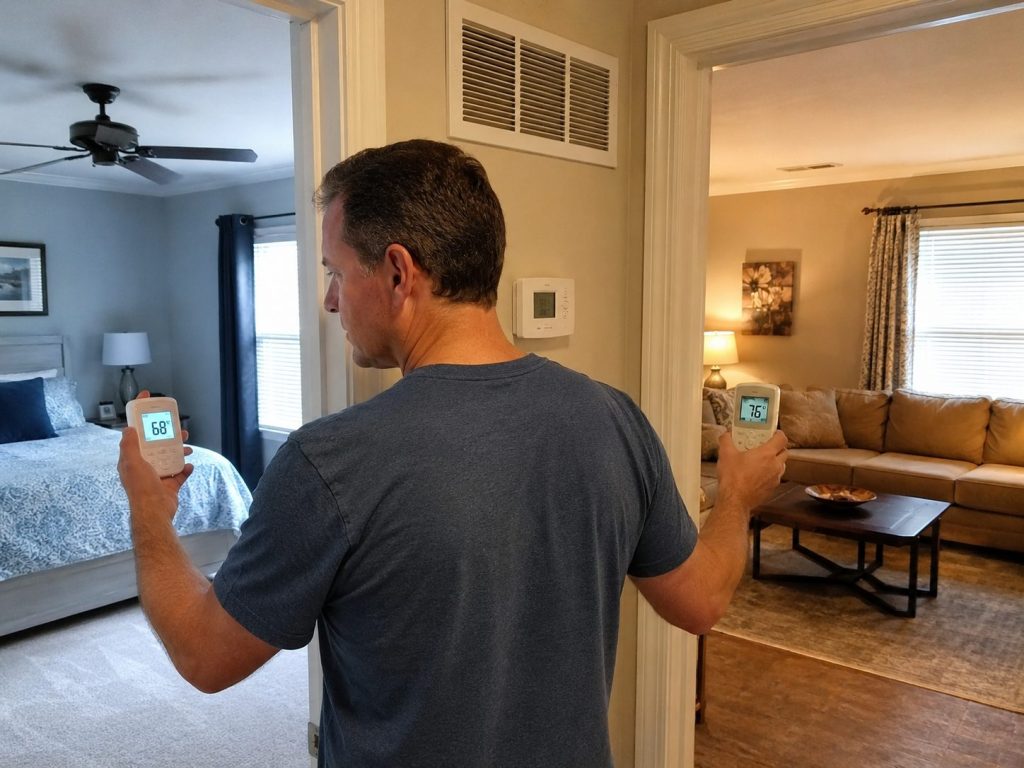
Small temperature differences between rooms can be normal, especially in multi-story homes. However, noticeable hot and cold spots may indicate a developing AC or airflow problem.
Uneven cooling can be caused by:
- Leaky or poorly insulated ductwork
- An unbalanced duct system
- Restricted supply or return vents
- A weak blower motor
- Poor thermostat placement
- An AC system that is incorrectly sized
- Heat gain from windows, air leaks, or insufficient insulation
ENERGY STAR advises that poor airflow and leaking ducts can reduce comfort, waste energy, and shorten equipment life
A professional evaluation can help distinguish between an air conditioner problem and a broader issue involving the home’s ducts, insulation, or air distribution.
Your Air Conditioner Is Making Unusual Noises
Air conditioners normally make a low, steady sound while running. New, loud, or persistent noises often indicate that a component has become loose, damaged, or worn.
Different sounds may point to different problems:
Grinding or Scraping
Grinding can indicate worn motor bearings or internal contact between moving parts. Continuing to run the system may cause additional motor damage.
Rattling
Rattling may be caused by loose screws, panels, fan blades, debris in the outdoor unit, or deteriorating internal components.
Squealing or Screeching
High-pitched sounds can be connected to a belt, motor bearing, fan motor, or pressure-related issue.
Buzzing
Buzzing may indicate a loose electrical connection, failing capacitor, contactor problem, compressor issue, or frozen component.
Clicking That Continues After Startup
A brief click during startup can be normal. Repeated clicking may indicate a faulty relay, thermostat, or electrical control.
Turn the system off and arrange an inspection when noises are loud, sudden, or accompanied by poor cooling. Electrical and moving-component problems can worsen when the unit continues operating under strain.
The AC Turns On and Off Too Frequently
An air conditioner normally operates in cycles. When it starts and stops every few minutes without completing a normal cooling cycle, the behavior is often called short cycling.
Possible causes include:
- A dirty air filter
- A frozen evaporator coil
- Incorrect thermostat readings
- Low refrigerant
- An overheating compressor
- Electrical control problems
- Oversized cooling equipment
Short cycling prevents the system from cooling and dehumidifying the home effectively. It can also place repeated stress on the compressor and electrical components.
ENERGY STAR notes that oversized equipment may cycle too frequently, resulting in reduced comfort and a shorter operating life. Proper sizing should be based on the actual characteristics of the building rather than a simple rule of thumb.
If replacing the filter does not correct frequent cycling, schedule a professional diagnostic appointment. The technician can check refrigerant levels, thermostat operation, temperature differences, electrical controls, and equipment sizing.
Your Energy Bills Have Increased Unexpectedly
Energy costs naturally vary based on outdoor temperature, thermostat settings, occupancy, and utility rates. However, an unexplained increase in electricity use may indicate that the air conditioner is working harder than it should.
Loss of efficiency may result from:
- Dirty filters or coils
- Refrigerant problems
- Duct leakage
- Weak airflow
- A failing motor or capacitor
- Incorrect thermostat operation
- Aging equipment
ENERGY STAR explains that dirty evaporator and condenser coils reduce an air conditioner’s ability to cool the home. This causes the system to run longer, raises energy costs, and may reduce the life of the equipment.
Compare bills from similar periods rather than comparing a mild month with an unusually hot one. Also consider whether your thermostat schedule or household routine recently changed.
When no clear explanation exists, a system inspection can determine whether maintenance or repairs could improve performance. Experienced HVAC Professionals Chicago can inspect the equipment instead of making assumptions based only on the utility bill.
Water Is Collecting Around the Indoor Unit
Air conditioners remove moisture from indoor air. That moisture normally drains away through the condensate system. Water around the indoor unit can indicate:
- A clogged condensate drain
- A damaged drain pan
- A disconnected drain line
- A malfunctioning condensate pump
- A frozen evaporator coil that is beginning to thaw
A small leak should still be addressed promptly. Moisture can damage ceilings, walls, flooring, insulation, or nearby equipment.
ENERGY STAR recommends inspecting the condensate drain during routine maintenance because a plugged drain can cause water damage and affect indoor humidity.
Turn off the air conditioner if water is spreading or approaching electrical components. A technician can clear the line, inspect the drain pan, test the pump, and determine whether ice formation contributed to the leak.
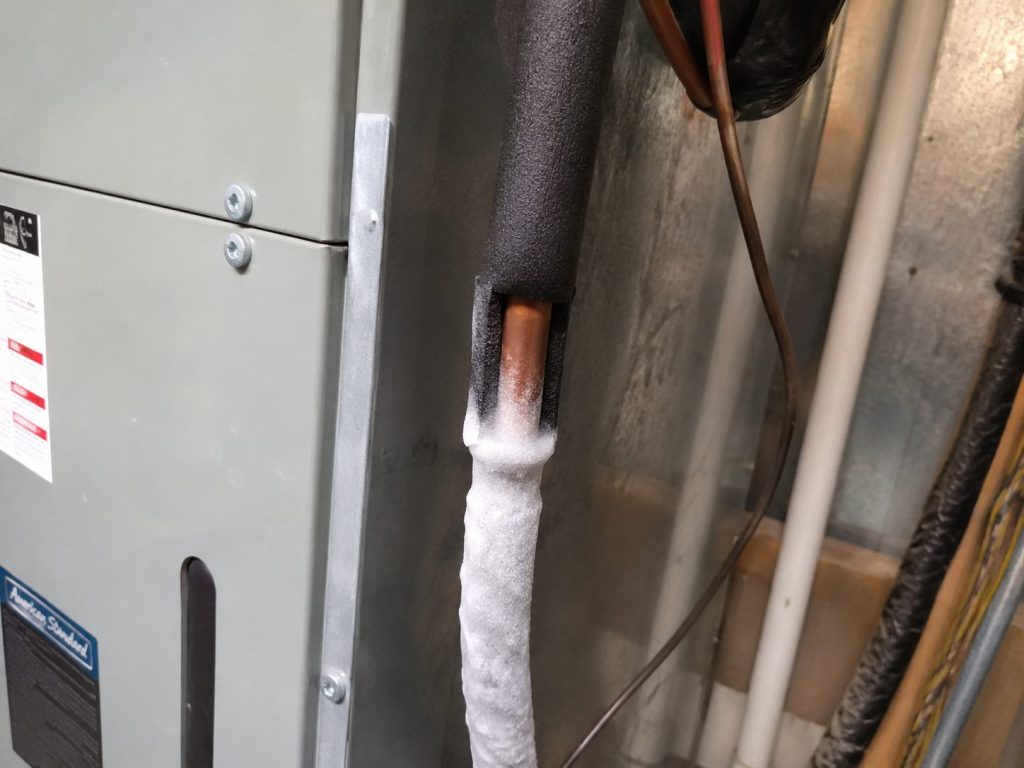
Ice Is Forming on the Refrigerant Line or Indoor Coil
Ice on an air conditioning system does not mean it is cooling more effectively. It usually indicates that heat is not transferring properly through the evaporator coil.
Common causes include:
- Restricted airflow
- A clogged filter
- A dirty evaporator coil
- A blower motor problem
- Closed or blocked vents
- Low refrigerant
Running a frozen system may allow ice to continue building and can place stress on the compressor. Turn off the cooling function and allow the ice to thaw. Do not scrape the coil or attempt to remove the ice with tools.
Replacing a dirty filter may correct a minor airflow restriction, but recurring ice requires professional diagnosis. Low refrigerant, coil contamination, and blower problems cannot be confirmed by looking at the filter alone.
The System Is Producing Unusual Odors
A temporary dusty smell may occur when equipment has been unused, but persistent or strong odors should be investigated.
Common AC odors include:
Musty Odors
A musty smell may be associated with moisture in the drain pan, evaporator coil, ductwork, or air filter.
Burning or Electrical Odors
A burning smell may indicate overheated wiring, a failing motor, damaged insulation, or another electrical problem. Turn the system off and request service promptly.
Chemical Odors
A chemical smell may indicate a refrigerant or equipment-related issue and should be evaluated by a trained technician.
Changing the filter and keeping the area around the indoor and outdoor units clean can help with some odor problems. However, persistent smells require a closer inspection of the coil, drainage system, electrical components, and ductwork.
Indoor Humidity Feels Higher Than Normal
An air conditioner should cool the home while removing some indoor moisture. If the house feels sticky or damp despite the system running, it may not be completing normal cooling cycles or moving enough air across the evaporator coil.
High indoor humidity may result from:
- Short cycling
- Dirty coils
- Airflow problems
- Incorrect system sizing
- A clogged drain
- Duct leakage
- Thermostat or control issues
Humidity problems can also come from the building itself, including air leaks, basement moisture, or ventilation conditions. An HVAC technician can assess system performance while helping determine whether the cooling equipment is contributing to the issue.
The AC Requires Frequent Repairs
An individual repair does not automatically mean the air conditioner should be replaced. However, repeated service calls may indicate that major components are wearing out.
Consider the following factors:
- The age and condition of the equipment
- The cost of the current repair
- Previous repair history
- Current energy performance
- Availability of replacement parts
- Indoor comfort and humidity control
- Whether the system uses an older refrigerant
- How long you expect to remain in the property
A professional should explain both repair and replacement options when appropriate. The goal should be to help you make a practical decision based on the system’s condition, not pressure you into replacing equipment that can still be repaired economically.
Property owners considering new equipment can review available American Standard HVAC options and ask about appropriate system sizing for their home or light commercial building.
What You Can Check Before Calling for AC Repair
A few basic checks may resolve simple problems or provide useful information for the technician:
- Confirm that the thermostat is set to “cool.”
- Lower the thermostat several degrees below the indoor temperature.
- Replace the air filter if it is visibly dirty.
- Check whether supply and return vents are open and unobstructed.
- Inspect the electrical panel for a tripped breaker.
- Remove leaves and loose debris from around the outdoor unit without opening it.
- Note any sounds, odors, leaks, error codes, or unusual cycling.
- Check when the system was last professionally maintained.
Avoid opening electrical panels, handling refrigerant lines, bypassing safety controls, or repeatedly resetting a breaker. A breaker that continues to trip is a warning sign that requires professional attention.
Why Early AC Repair Matters
Addressing AC warning signs early can provide several practical benefits:
- Reducing the chance of a complete breakdown
- Limiting damage to related components
- Improving cooling consistency
- Supporting more efficient operation
- Helping control indoor humidity
- Extending equipment life
- Making it easier to schedule service before peak demand
The Department of Energy warns that inadequate maintenance, including dirty filters and coils, can contribute to equipment malfunction and premature compressor or fan failure.
Preventive maintenance is equally important. ENERGY STAR recommends annual pre-season HVAC checkups, ideally before contractors become busiest during summer and winter.
Homeowners who want year-round support can work with a local provider of Heating & Cooling in Chicago rather than waiting for a major system failure.
Do Not Forget the Rest of Your HVAC System
Cooling equipment is only one part of year-round indoor comfort. Chicago properties also depend on reliable heating systems once temperatures fall.
Service Pro Titans provides residential and light commercial HVAC assistance, including:
- Furnace Service & Installation Chicago
- Boiler Service & Installation Chicago
- Air conditioning repair and installation
- Indoor air quality solutions
- Ductless heating and cooling
- Preventive maintenance
Coordinating cooling and heating maintenance with one provider can make it easier to track equipment condition, service history, and upcoming maintenance needs.
Schedule AC Repair Before a Small Problem Becomes a Breakdown
Warm air, weak airflow, short cycling, unusual noises, rising energy use, water leaks, ice buildup, and excessive indoor humidity are all possible signs your AC needs repair.
The system may continue operating for a while, but waiting until it stops completely can lead to greater discomfort and potentially more extensive repairs. A professional inspection can identify the actual cause and help you understand the most practical next step.
Service Pro Titans provides residential and light commercial Heating & Cooling Chicagoland property owners can rely on. Its AC service page highlights support for Chicago and the surrounding suburbs, along with emergency dispatch availability, transparent flat-rate pricing, and certified local technicians.
Contact Service Pro Titans or call 312-312-7312 to schedule an air conditioning inspection, maintenance appointment, or repair. Getting the system checked early can help keep your Chicago home or business comfortable when dependable cooling matters most.