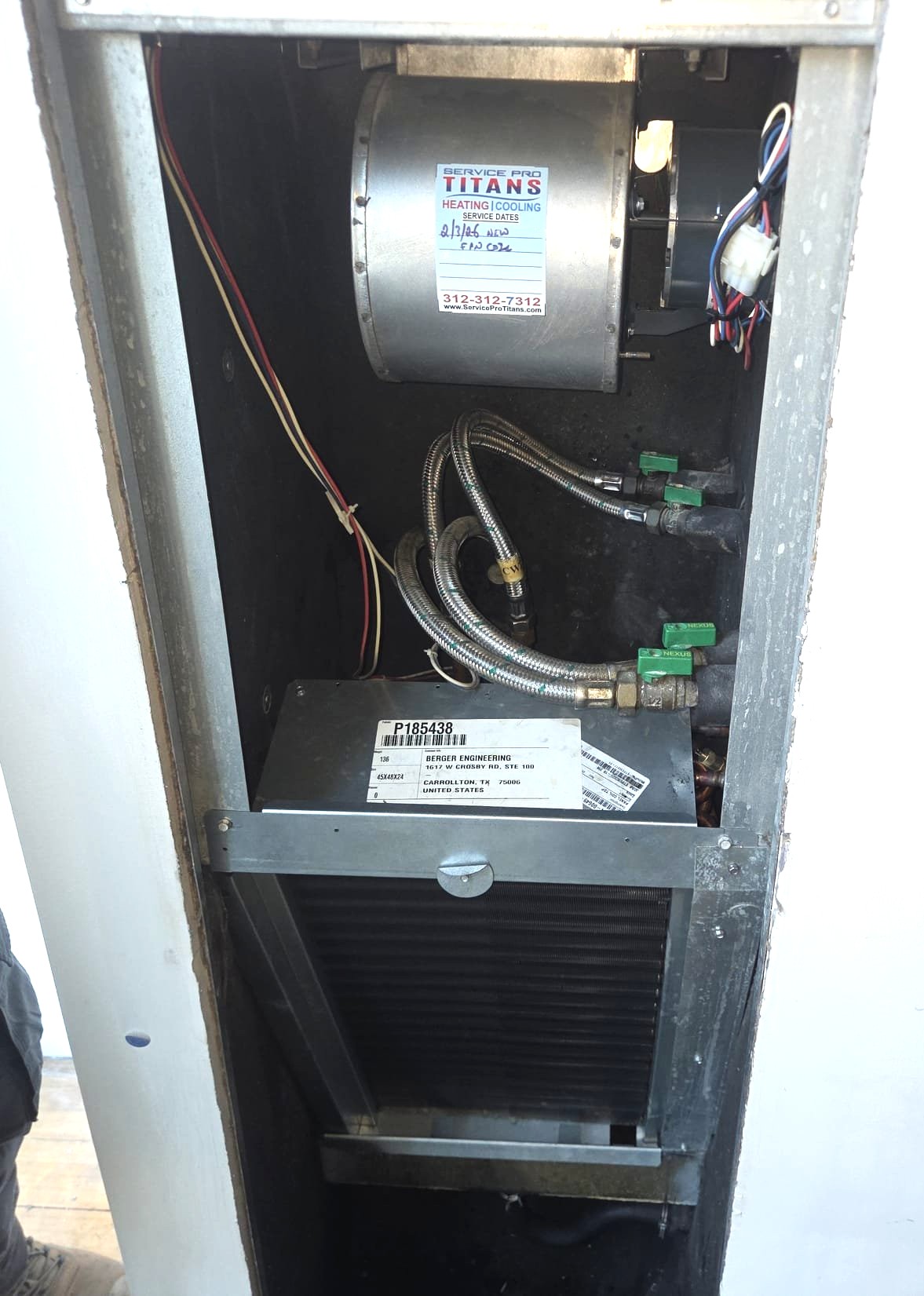
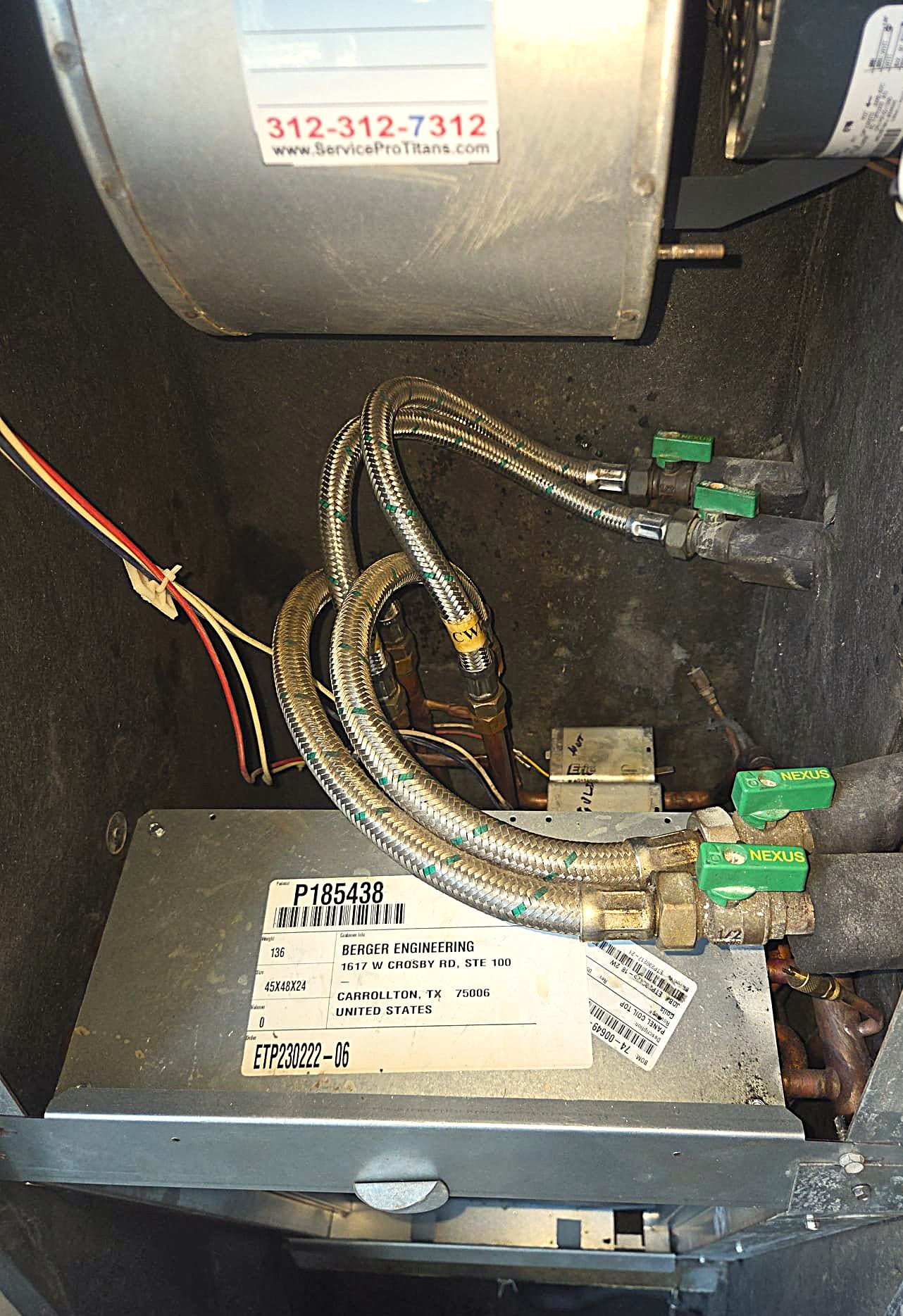
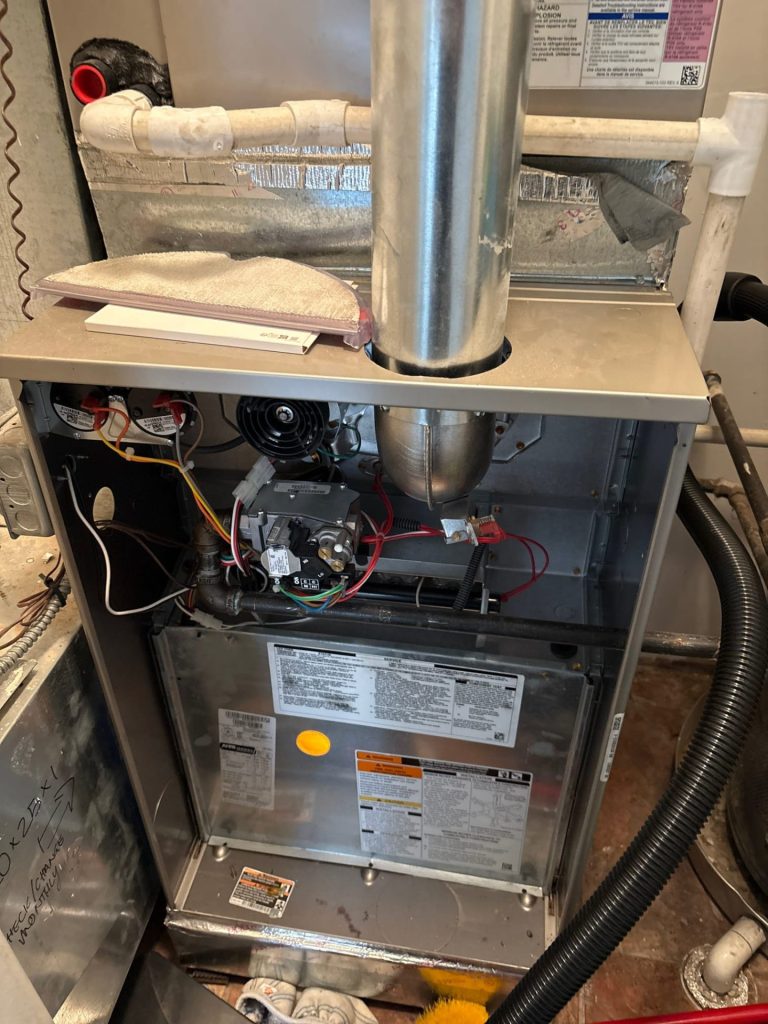
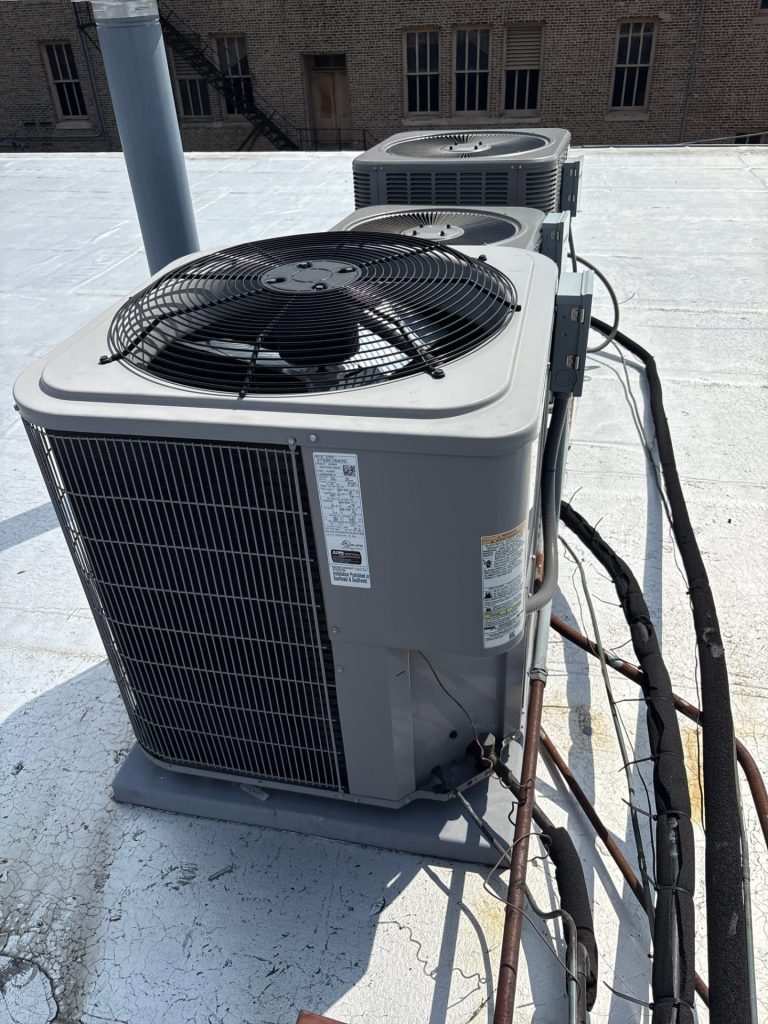
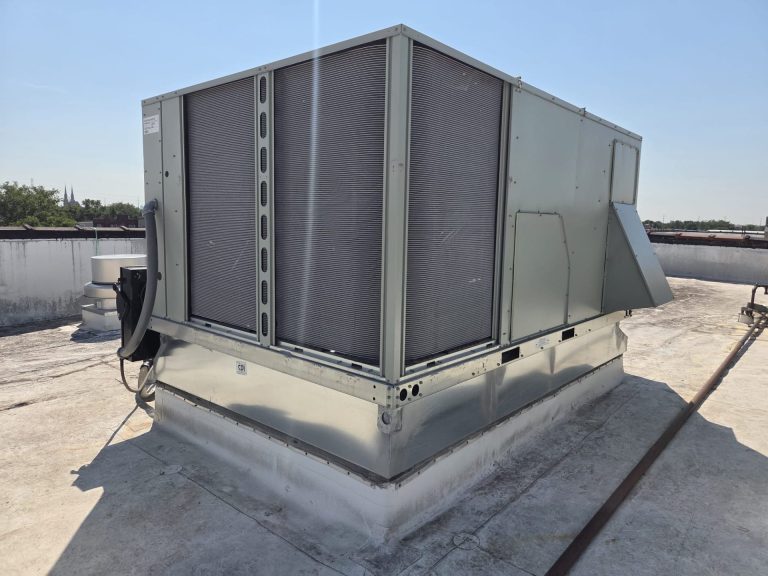
Installing a fan coil unit (FCU) requires careful planning to ensure it works properly and lasts for many years. The process begins with checking the site to confirm the unit is the correct size and is compatible with the building’s piping system. Once the right unit is chosen, it is securely installed in the ceiling, mechanical room, or vertical stack location. Next, care is taken to ensure there’s enough space for proper airflow and future service. In addition, the unit must be leveled to allow proper drainage and to prevent noise or vibration.
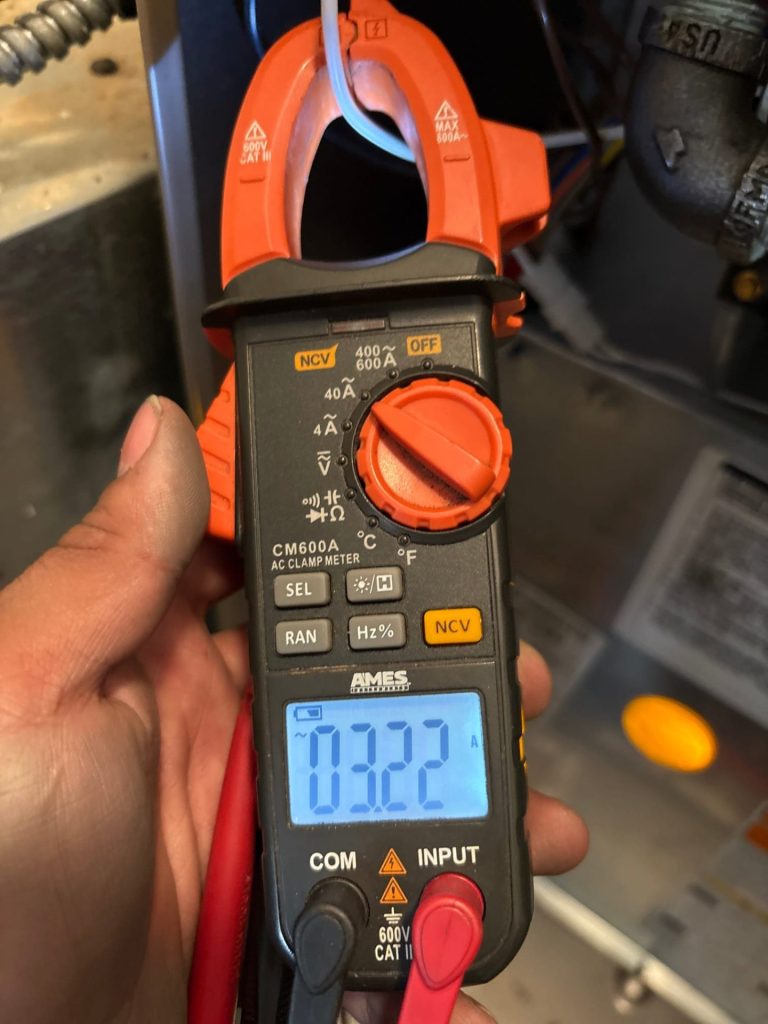
Following this, the supply and return pipes are connected, including valves and fittings that make future maintenance easier. The piping is pressure-tested to ensure there are no leaks, and insulation is added to prevent energy loss and condensation. Electrical wiring is completed according to manufacturer instructions and local codes, including proper grounding and thermostat or building system connections. Finally, the condensate drain line is properly trapped and sloped to prevent water backup and mold growth.
After installation, air is removed from the system and water flow is balanced to achieve the correct heating and cooling performance. Airflow is checked, and blower speeds are adjusted to ensure efficient operation and acceptable noise levels. The final step is testing the unit in heating and cooling modes to confirm proper temperature changes and control response. When installed correctly, a fan coil unit provides efficient, reliable comfort and improved air quality in residential, commercial, and high-rise buildings.